
More about Phu Tho
1. The Hung Kings Temple complex
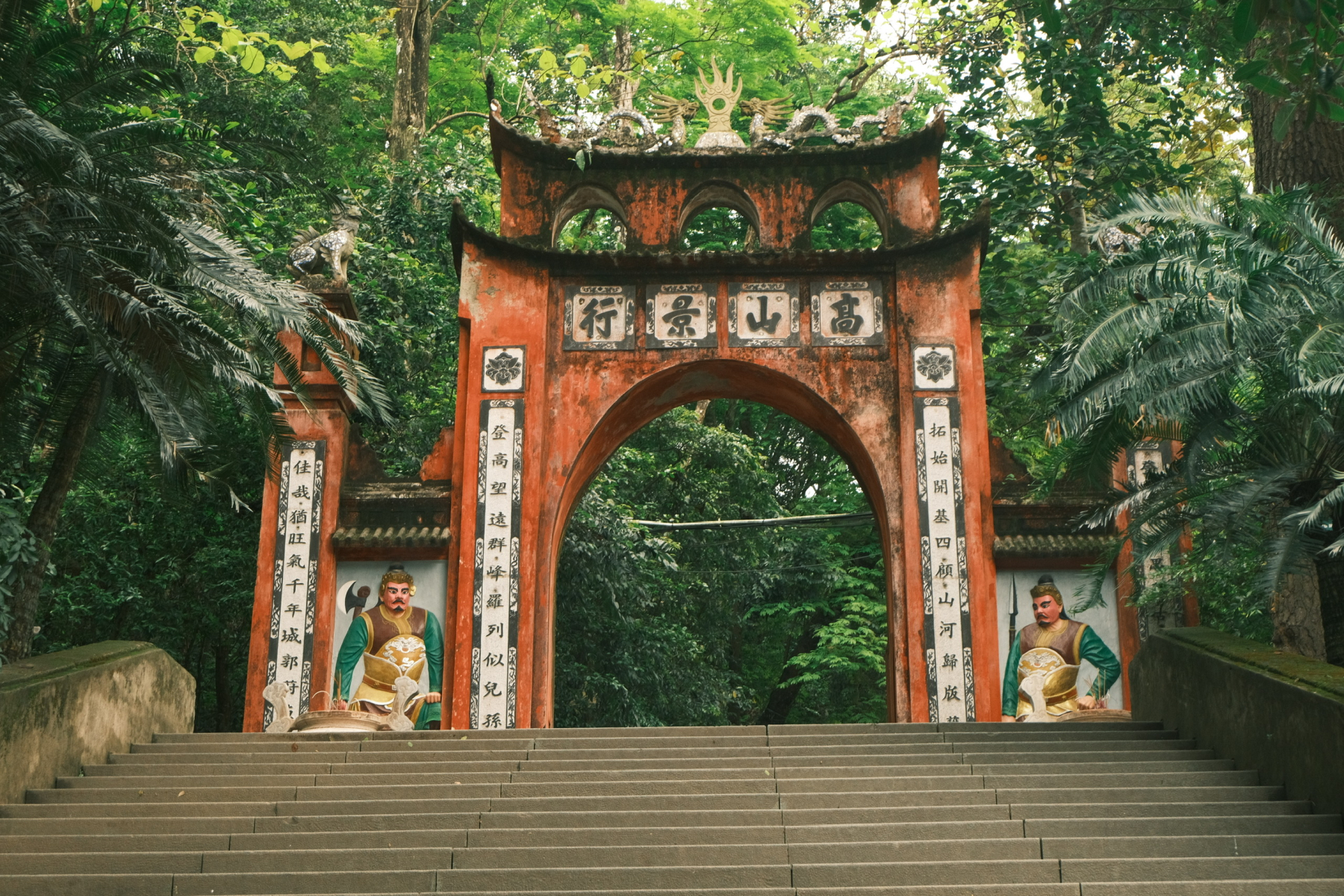
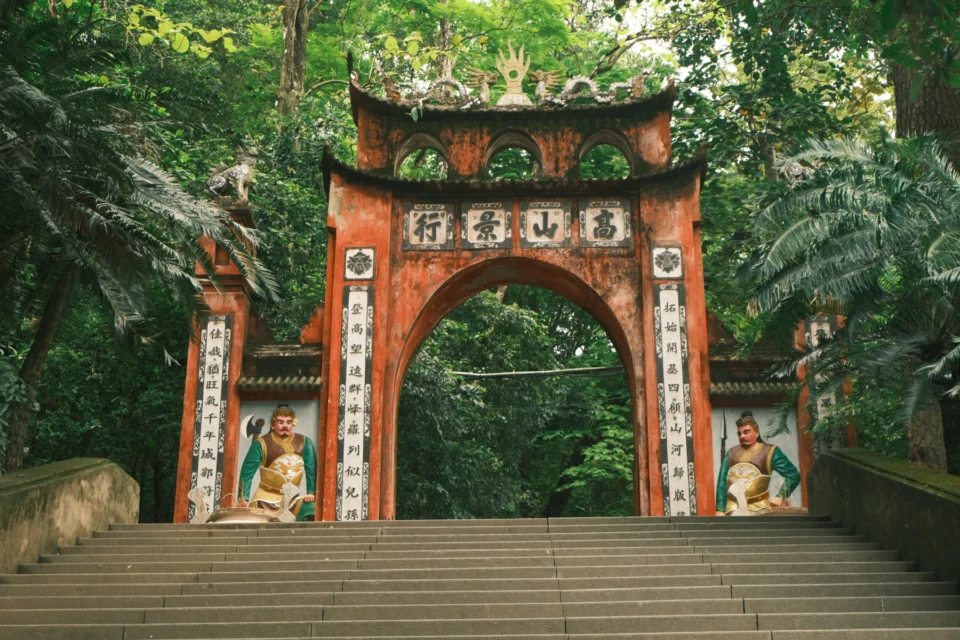
The main gate of the Hung Temple. Photo: Kha Han
Standing majestically on Nghia Linh mountain, the Hung Kings Temple complex is the undisputed spiritual heart of the Vietnamese people. More than an architectural monument, this sacred site is the ultimate symbol of national unity. Patiently climbing hundreds of stone steps through the forest, pilgrims pass in turn through the Lower, Middle and Upper Temples, each closely linked to the country's founding legends.
Spiritual and popular fervour peaks during the Hung Kings Temple Festival, held on the 10th day of the 3rd lunar month. From the top of the mountain, the panoramic view stretches over the surrounding rivers, a grand sight that strongly recalls why this fertile land was chosen to lay the very first foundations of the nation.
2. Hung Lo ancient village
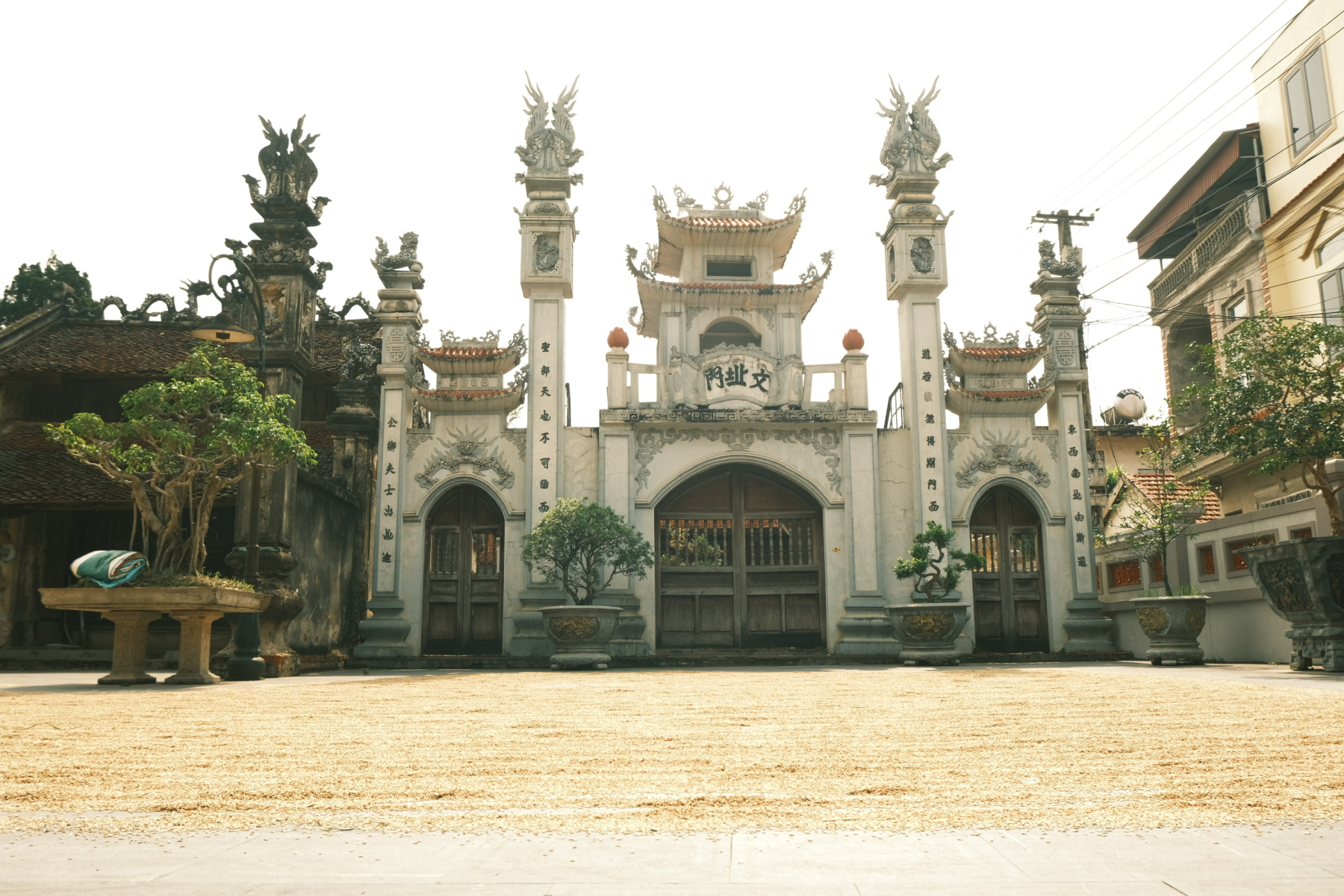
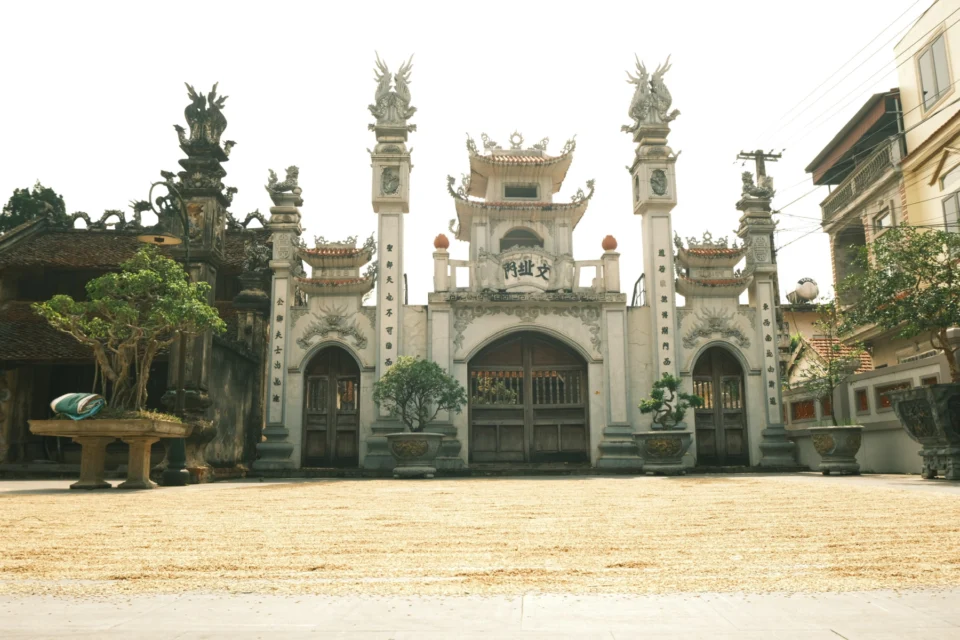
Hung Lo communal house. Photo: Kha Han
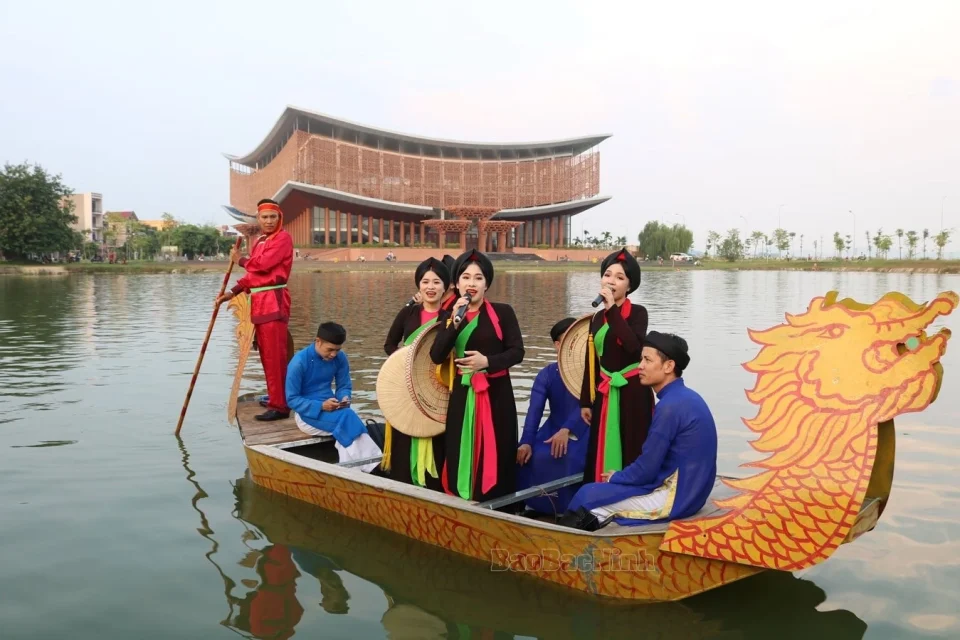
Just a few kilometres from central Viet Tri, the ancient village of Hung Lo seems to have stopped time. With a history of more than three centuries, this heritage haven keeps beautiful traditional houses with red-tiled roofs weathered by the years. Hung Lo is also the passionate guardian of Xoan singing, a ritual and musical art of inestimable value, listed by UNESCO as Intangible Cultural Heritage of Humanity.
Meeting artisans in their traditional rice-noodle workshops, or letting yourself be enchanted by ancient melodies echoing under the village communal house, travellers can truly touch the authenticity of rural life in northern Vietnam.
3. Ao Chau lagoon
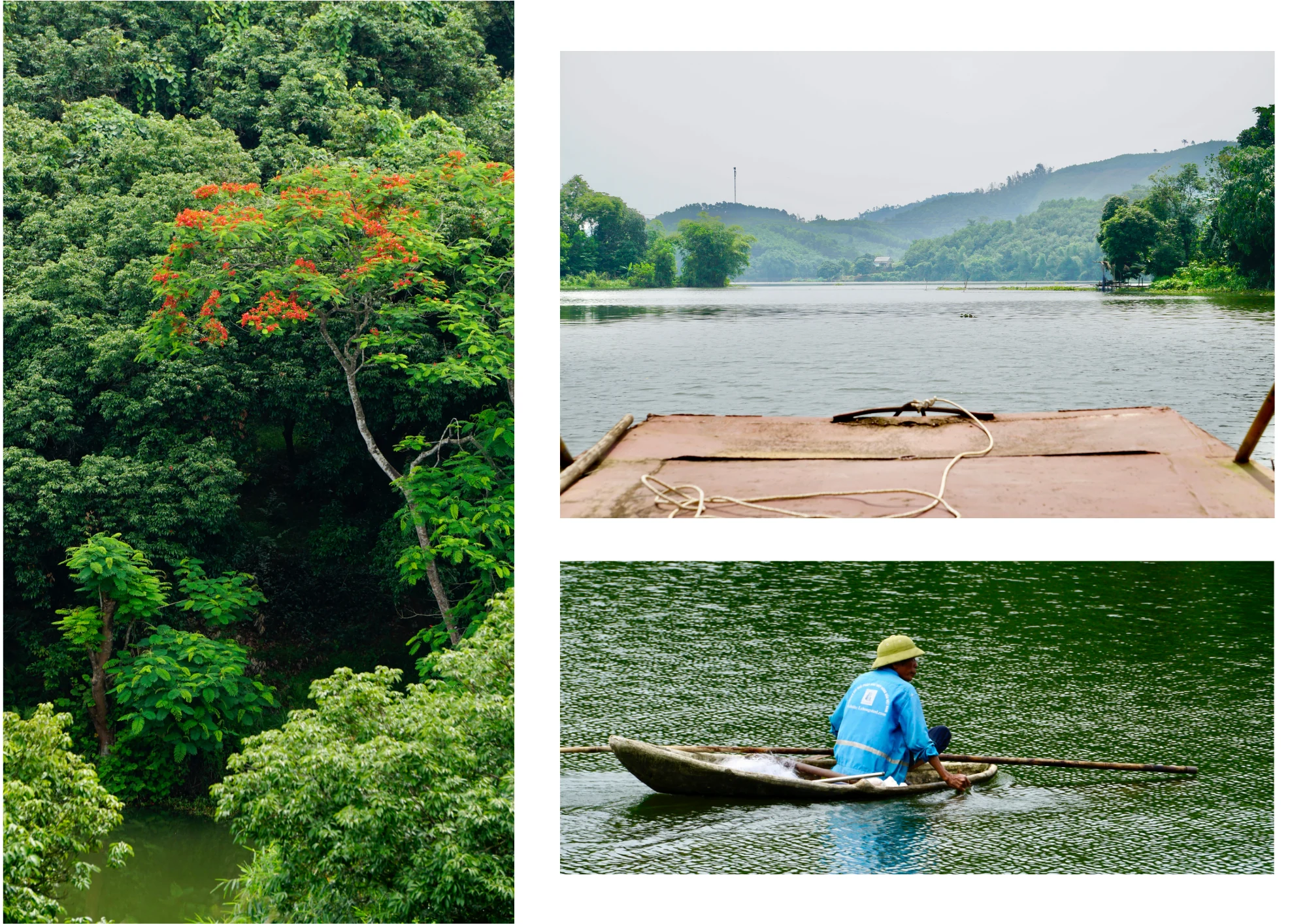
Photo: Bao Phu Tho
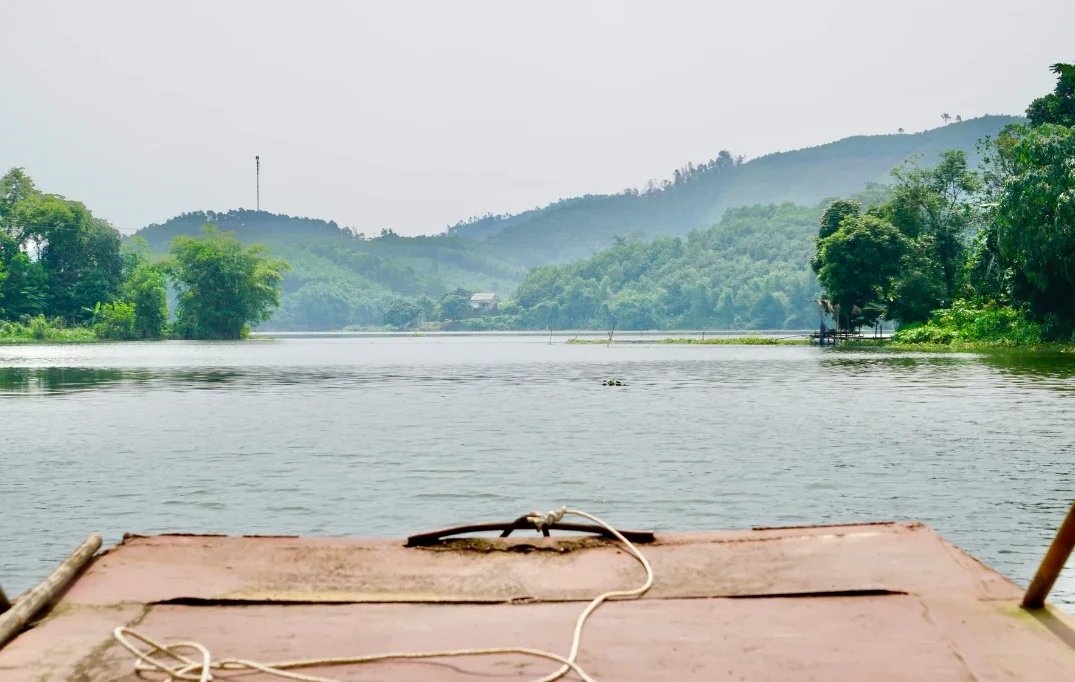
Rightly nicknamed « the Ha Long Bay of the ancestral land », Ao Chau lagoon is a lake complex of rare poetry and gentleness. Made up of nearly 100 green islands and islets harmoniously scattered over a vast, peaceful expanse of emerald water, this preserved natural site is a true paradise for lovers of calm, silence and wide open spaces.
A gentle boat ride through the lake's meanders lets you observe rich local wildlife while enjoying perfectly pure air. It is a favourite, deeply restorative destination for anyone wanting to escape the urban bustle for a while.
4. Cu Thang waterfall
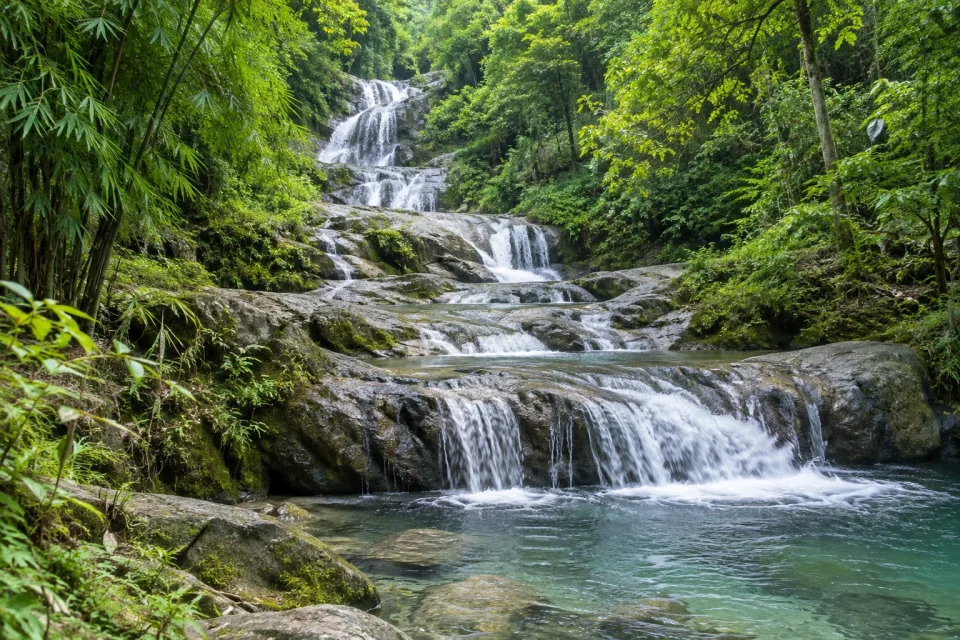
In Thanh Son district, Cu Thang waterfall is a natural wonder that is fortunate still to be entirely spared from mass tourism. Nestled in lush, dense vegetation, it unfolds spectacularly like a long, elegant white silk ribbon over steep rock walls.
The cool water pours down with a force both wild and soothing, filling large natural pools where visitors can cool off in peace. It is the ideal place for ecotourism and photography lovers, an authentically serene setting far from the noise of big cities.
5. Dam Van marsh
Dam Van marsh unfolds a wetland landscape of absolute serenity, much sought after by photographers who come to capture the magical light of sunrise and sunset. This precious, fragile ecosystem lets varied aquatic plants flourish freely.
Scenes of daily life, with local fishermen patiently steering their small traditional boats among the reeds, form a living picture of great gentleness. It is a perfect, moving and poetic illustration of the lasting harmony that can exist between people and water.
6. Xuan Son National Park
Xuan Son is a unique ecological gem in Vietnam, with splendid primary forest growing vigorously on steep limestone mountains. The park holds a complex network of mysterious caves and spectacular waterfalls, such as the famous Lung Troi waterfall.
Beyond its scenery, it is also a place of cultural immersion, where Dao and Muong communities generously share their ancestral traditions through community tourism. Its constantly fresh air and exceptional biodiversity make it a major, unmissable ecotourism site in the province.
7. Hang Hum cave
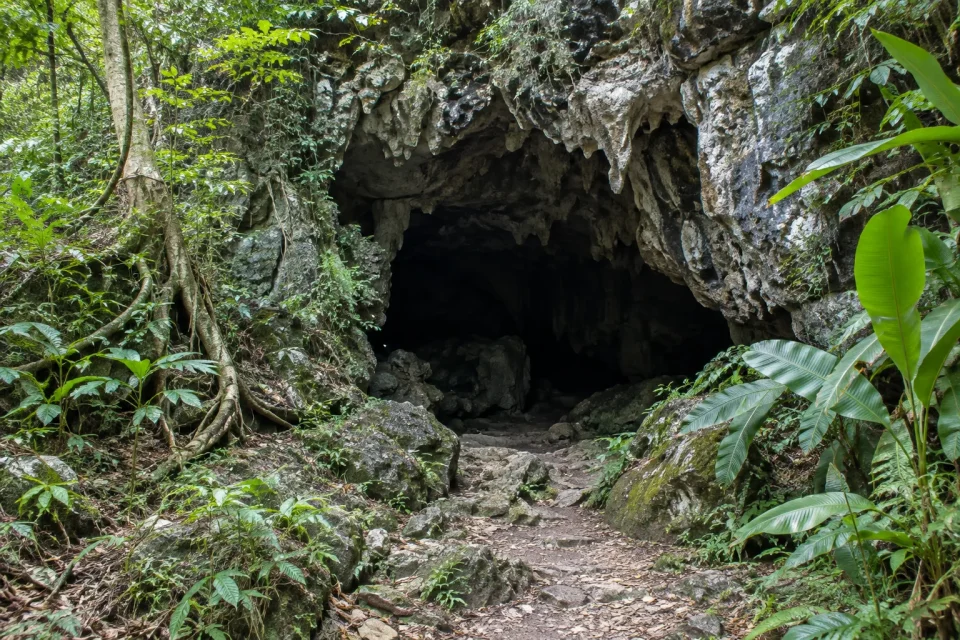
In Yen Lap district, Hang Hum cave is a top destination for explorers at heart. This natural cave instantly impresses with its grand dimensions and stalactites that sparkle under torchlight.
Local legends, carefully passed down by the elders, say the cave was once a refuge for mythical creatures, adding mystery and magic to every step into its cool, silent depths.
8. The temple of King Ly Nam De
This historic temple solemnly honours King Ly Nam De, founder of the Early Ly dynasty and an absolute symbol of the fierce struggle for national independence against foreign domination in the 6th century.
Set in green, solemn surroundings, the temple's architecture follows in every respect the typical codes of the traditional sacred buildings of northern Vietnam. The site naturally invites travellers to reflection, serenity and deep thought on the country's long, rich and eventful history.
9. Dam Ngoc marsh
Dam Ngoc marsh is often described by travellers as the « hidden gem » of Phu Tho province. Entirely surrounded by preserved wooded hills, it is a true oasis of tranquillity and purity.
Its clear, calm water perfectly reflects the sky and clouds, creating a giant natural mirror of great visual poetry. It is the ideal place for family picnics or light, refreshing walks along its banks dotted with wild flowers.
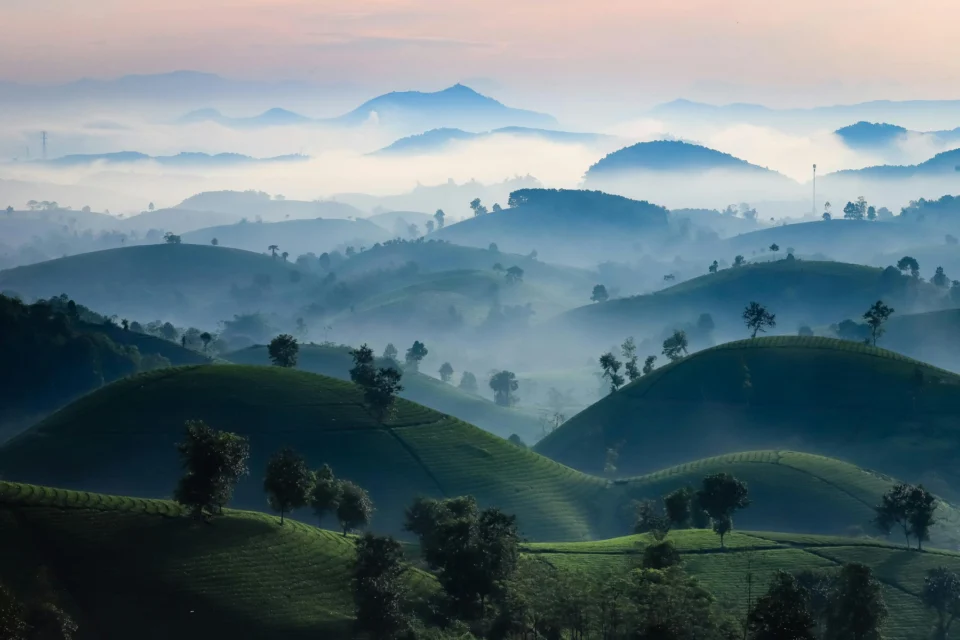
10. Long Coc tea hills
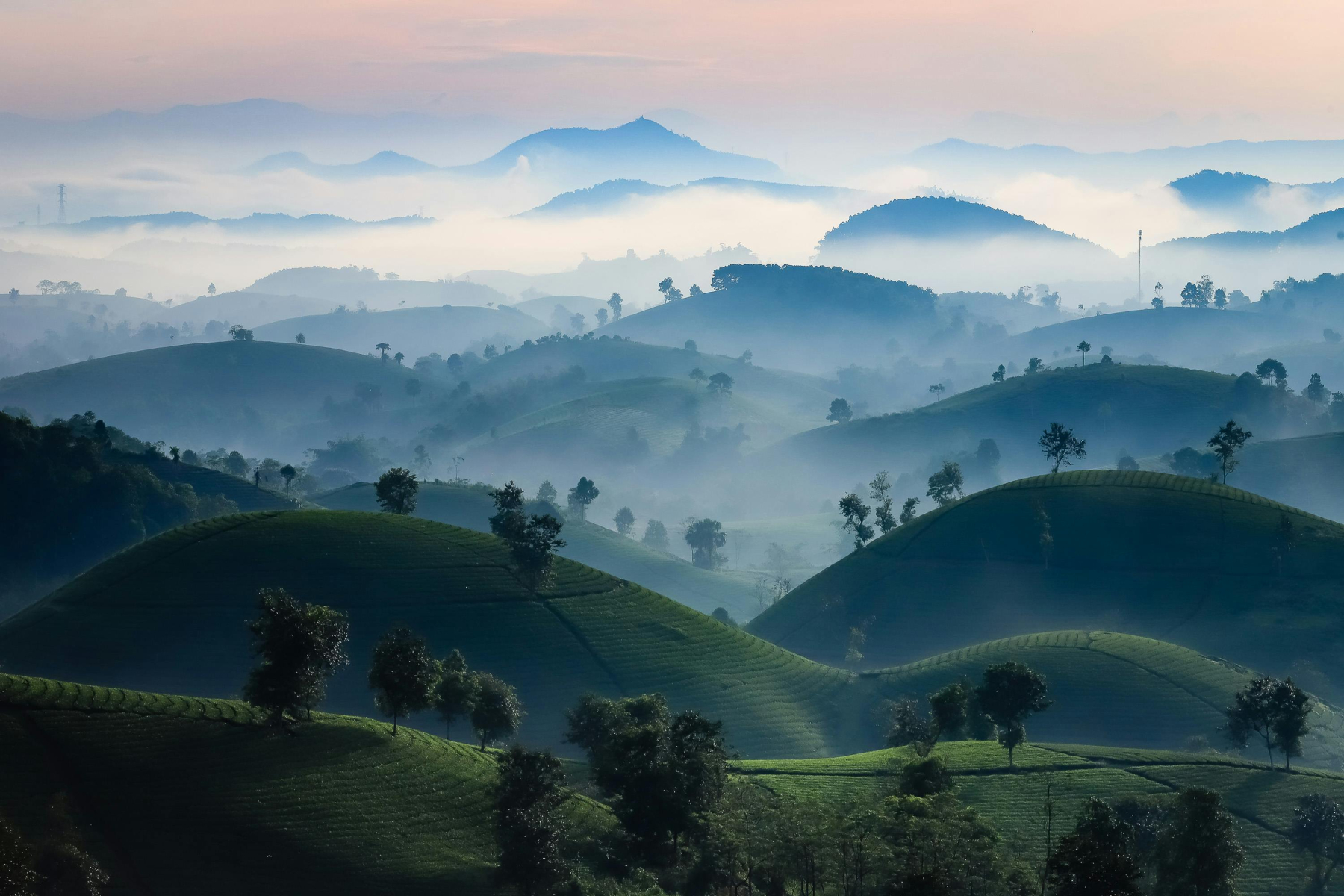
Photo: Son Hoa Nguyen
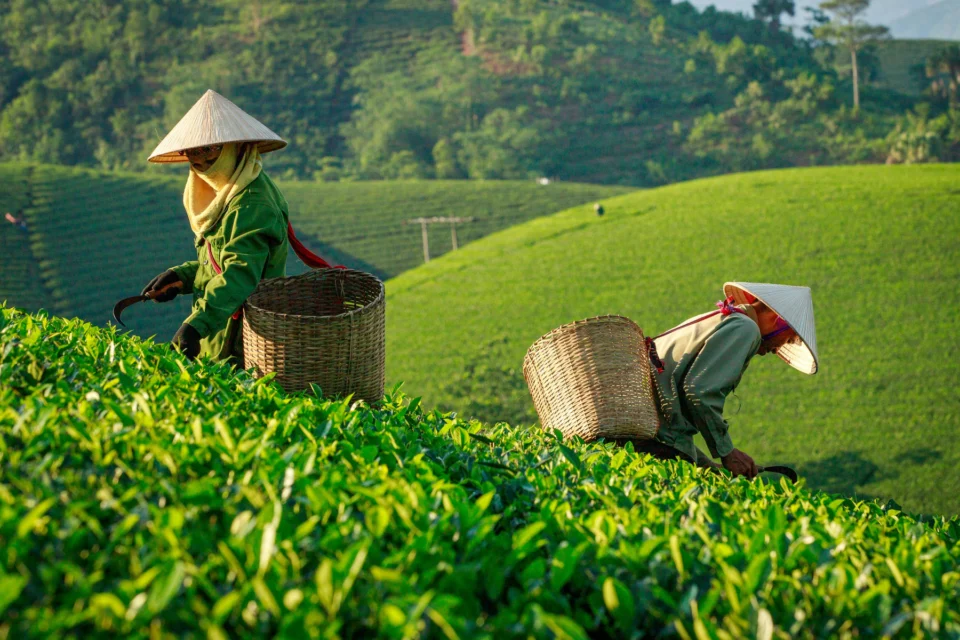
Long Coc is undoubtedly Phu Tho's most emblematic, graphic and internationally famous landscape. These tea hills shaped by human hands look like perfect green half-spheres, laid out harmoniously like upturned bowls as far as the eye can see.
The sight is especially striking and memorable at dawn, when the morning mist dances lightly between the dells, creating a dreamlike, timeless scene worthy of a traditional ink painting. It is rightly one of the most photographed sites in the country, capturing with great poetry the visual beauty and nobility of farm work.