More about Visiting the Temples and Pagodas of Bac Ninh: A Travel Journal from the Cradle of Delta Culture
The major sanctuaries and historic buildings to include in your itinerary
Exploring the sacred sites of Bac Ninh reveals unique architectural masterpieces, built over several centuries and deeply rooted in the rural landscape.

Inside the Hoa Phong tower of Dau pagoda. Photo: Kieu Duong
Dau pagoda (Chua Dau) stands in Thuan Thanh district and holds the title of oldest pagoda in Vietnam, its foundation dating back to the 2nd century AD. This historic site embodies the transition between Indian Buddhism and local agrarian beliefs through the worship of the four goddesses of clouds, rain, thunder and lightning. Visually, the building impresses with its Hoa Phong tower, an imposing bell tower of dark fired-clay brick in the centre of the courtyard, which houses a bronze bell cast in 1793 and a large wooden drum. Its proximity to National Route 17 makes it a practical first stop on a trip to the south of the province.
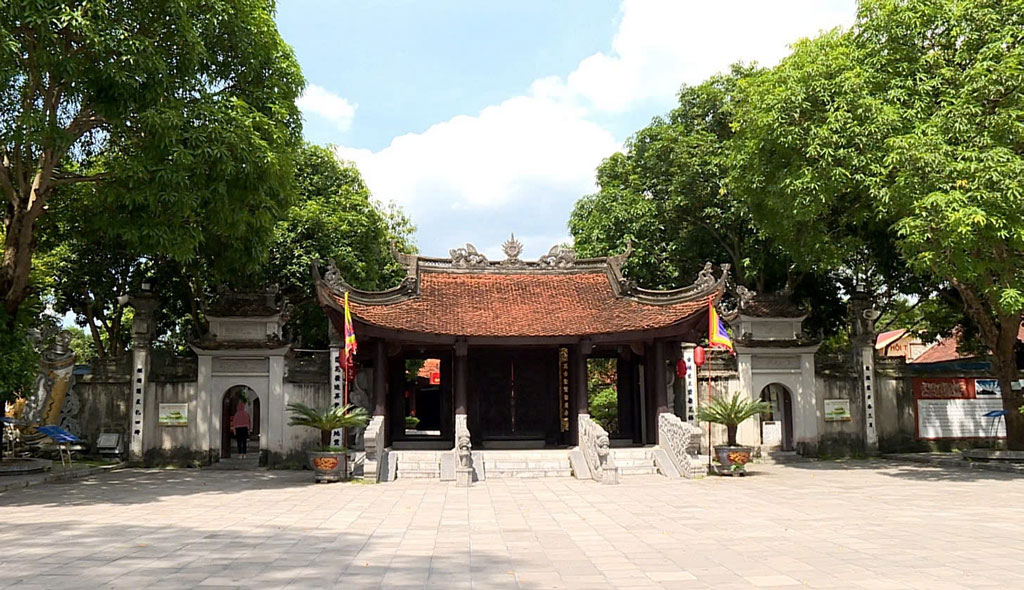
The Five Dragons Gate is carved with five intertwined dragon figures. Photo: baobacninh
Do temple (Den Do) is located in Dinh Bang commune, part of Tu Son town. This vast architectural complex is dedicated to the worship of the eight kings of the Ly dynasty, which laid the administrative and cultural foundations of independent Vietnam from the 11th century. The sanctuary is surrounded by fortified walls and opens onto a large lotus pond, in the middle of which stands a pavilion on stilts where water puppet shows were once held. The main buildings, with their curved glazed-tile roofs, house richly carved altars and historic steles, offering a solemn setting for understanding imperial history.

Photo: Phan Duong
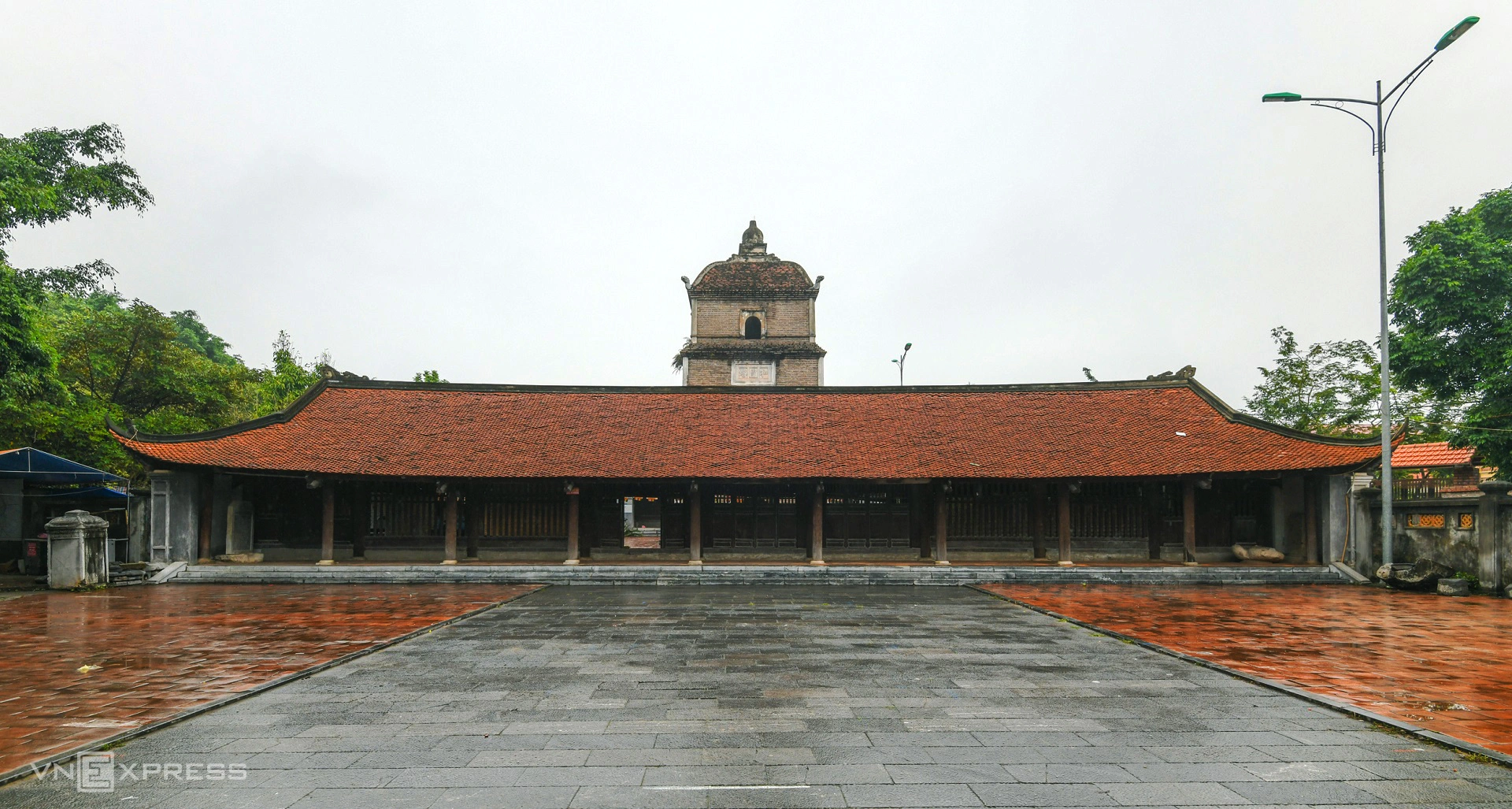
Dinh Bang communal house (Dinh lang Dinh Bang), just a few minutes from Do temple, represents the pinnacle of 18th-century wooden architecture. This monument is not a temple in the strict sense, but the centre of community life and the place where the village's tutelary spirit is worshipped. Its immense, low, heavy “fish-scale” tiled roof sweeps down almost to the ground to protect the structure from the monsoon. Inside, the framework rests on sixty massive pillars of lim wood (ironwood) and features dragon carvings of rare finesse, making the site an essential visit for lovers of traditional craftsmanship.
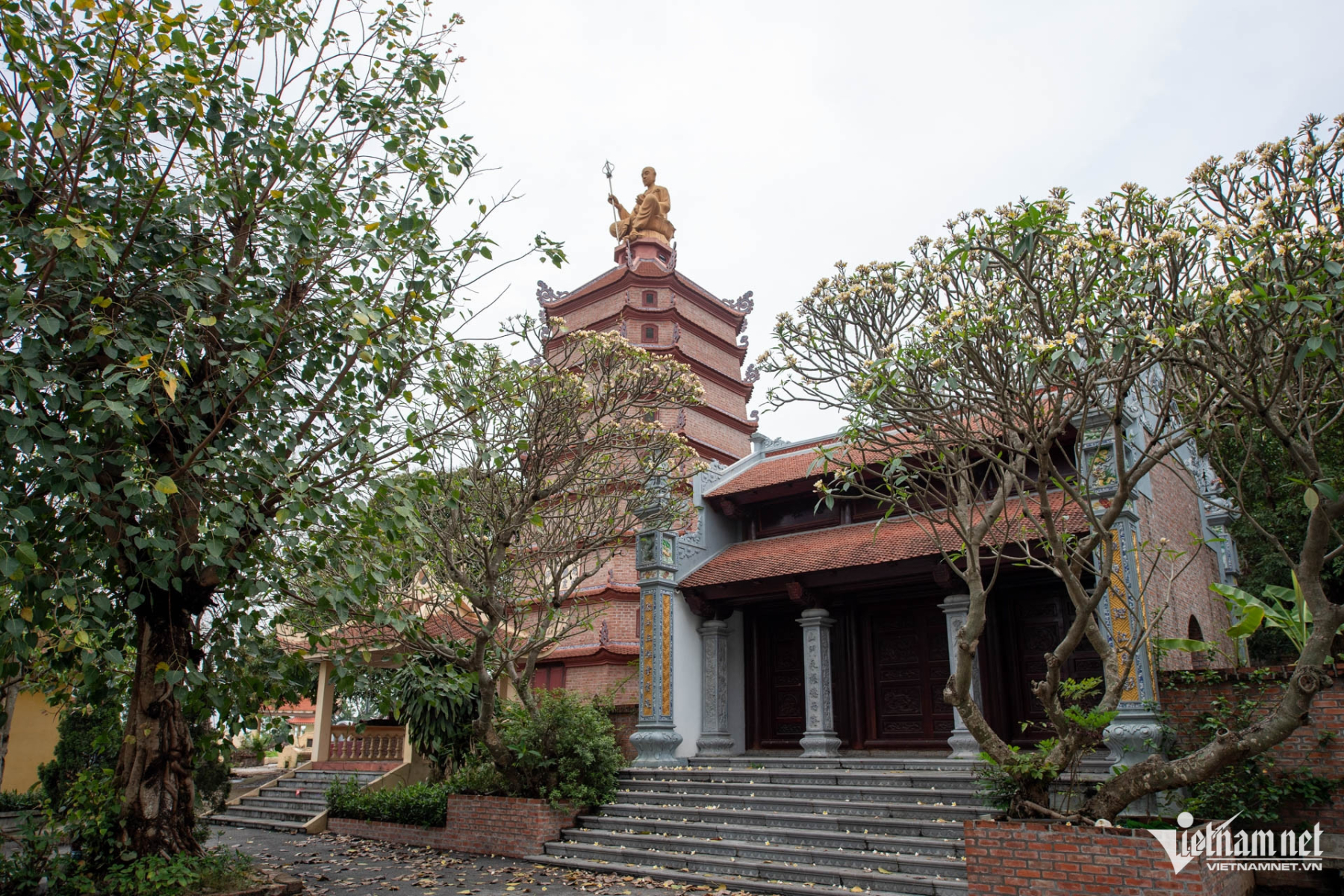
Tieu pagoda was once a centre of Buddhism. Photo: Vietnamnet
Tieu pagoda (Chua Tieu), perched on Tieu Son hill in Tu Son district, offers an atmosphere of absolute serenity, far from the main tourist flows. This historic monastery is famous as the place where King Ly Cong Uan, founder of the Ly dynasty, was educated under the guidance of the venerable monk Van Hanh. True to the strict rules of mountain monasteries, the site preserves a wooded setting and holds the intact mummified body of the monk Nhu Tri, preserved using a Buddhist mummification technique unique in the world. Climbing the steps to the top of the hill rewards you with a clear panorama over the surrounding rice fields.
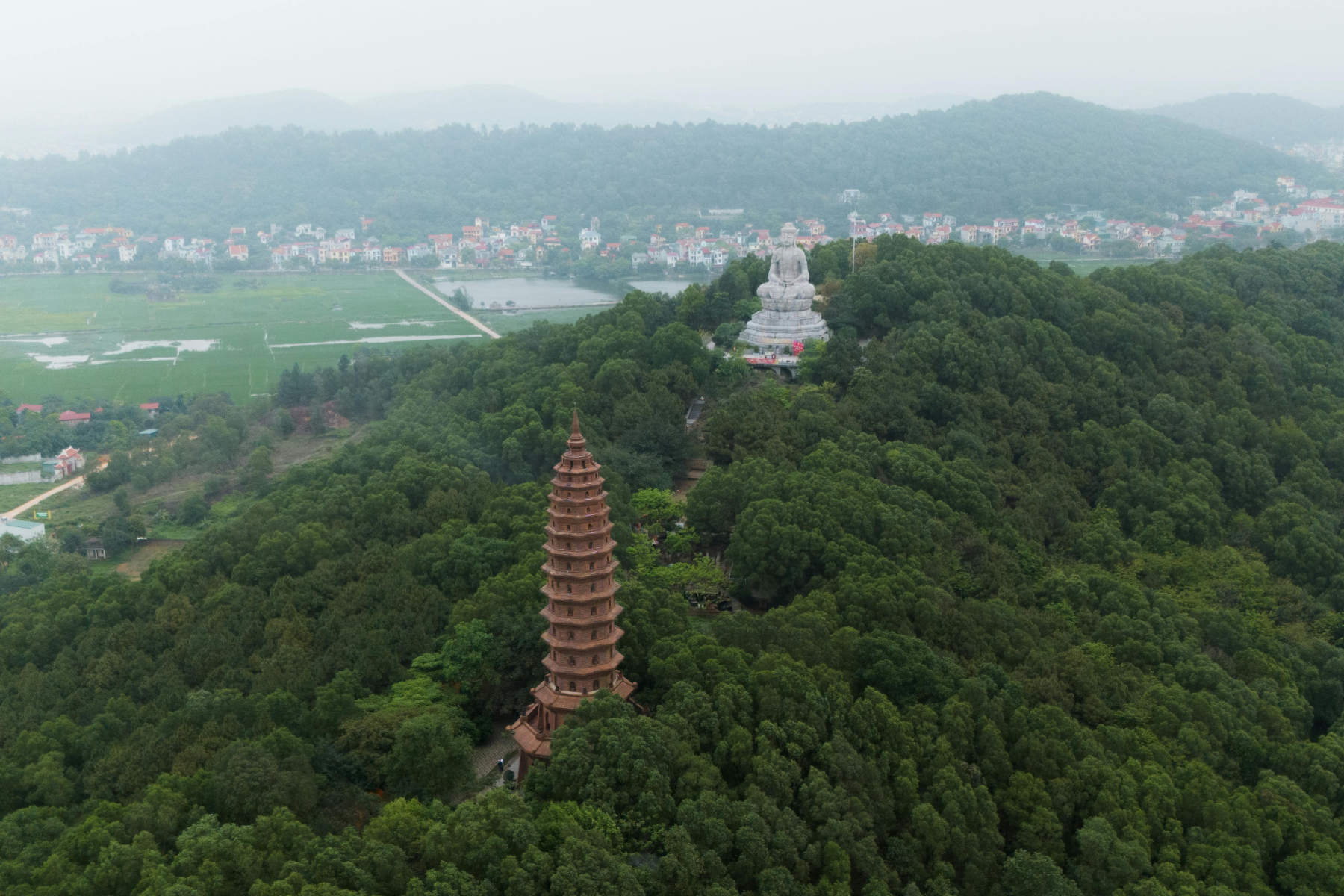
Photo: Lucas Tran
Phat Tich pagoda (Chua Phat Tich), set against Mount Lan Kha in Tien Du district, is another leading archaeological landmark dating from the Ly period. The site houses a monumental stone statue of Amitabha Buddha from the dynasty's era, almost five metres high and resting on a pedestal adorned with carved dragon and lotus motifs. The visit involves climbing several stone terraces cut into the mountainside, along which ten statues of sacred animals stand on lotus bases, offering a striking view of the skill of 11th-century sculptors.
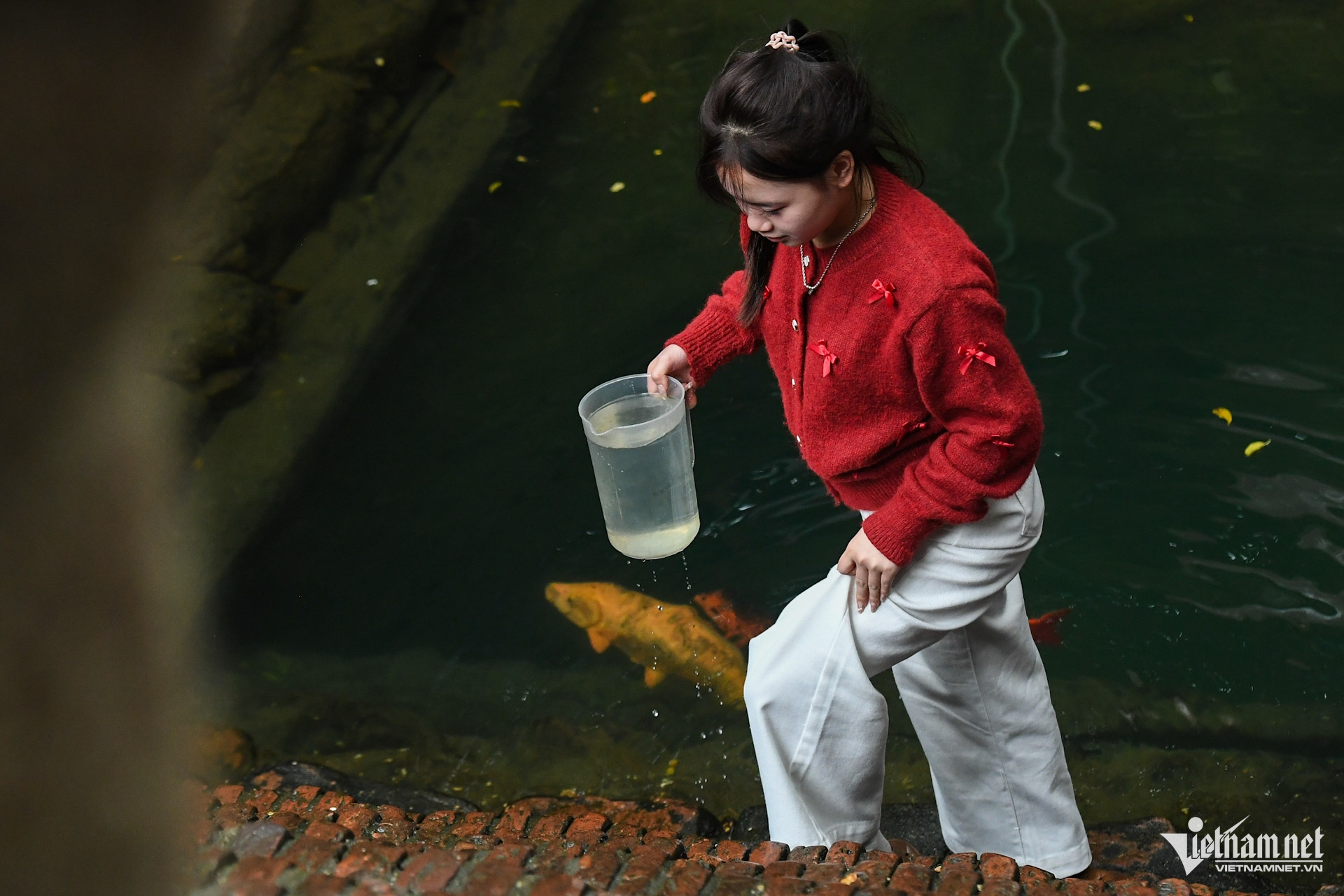
Photo: Vietnam+
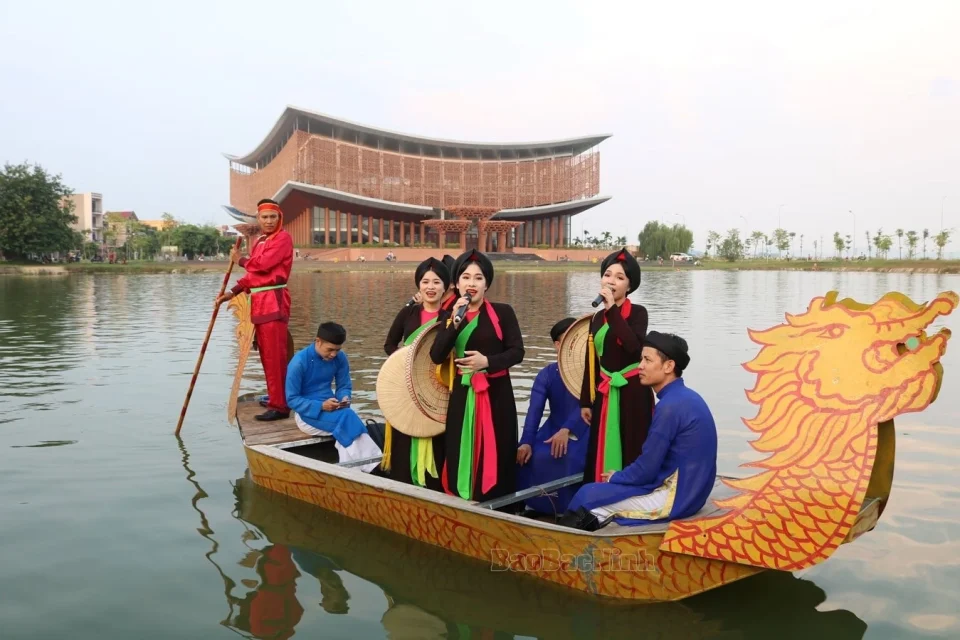
Cung temple and Ngoc well (Den Cung Gieng Ngoc) are in the village of Viêm Xa, also known as Diem village, famous as the cradle of Quan Ho folk singing. Cung temple is dedicated to the local guardian deities, while Ngoc well, just opposite, is a natural freshwater spring of remarkable clarity. Locals and visitors walk down stone steps to draw this water, traditionally used to make tea during local festivals. A visit combines spiritual discovery with immersion in the rural atmosphere of a northern village, where the old brick façades have been preserved.
Weather and the best times to visit
Visitor numbers in Bac Ninh province follow the calendar of traditional festivals after the Lunar New Year. The period from February to April is the cultural high season, with cool spring weather, average temperatures of around 22°C and the misty atmosphere typical of the delta. It is the ideal time to watch the rituals and the Quan Ho singing, although the sites are very busy with local visitors. For travellers seeking calm and clear light for photography, late autumn, from September to November, brings sunny days, dry air and perfect visibility of the region's architecture and landscapes.
Preserving the cultural identity of Kinh Bac
The temples and pagodas of Bac Ninh are not mere archaeological remains but living community spaces that keep the region's social fabric together. The absence of aggressive urbanisation around major sites such as Dau or Phat Tich allows the rural landscape to keep its historical coherence. Touring these sanctuaries by road or by bike along the dykes, travellers discover the spiritual backbone of Vietnam, where Buddhist devotion, the worship of imperial ancestors and musical traditions blend harmoniously.