More about The Soul of the Highlands: the Cultural Resilience of the Ethnic Groups of Lang Son
Located on Vietnam’s northern border, about 150 kilometres from Hanoi, Lang Son province is characterised by rugged terrain where limestone massifs alternate with river valleys. This mountainous area is the historic home of several ethnic communities, notably the Tay, Nung, Dao and Mong. Far from being limited to its landscapes of rocky peaks, the province is home to a living cultural heritage that shapes its inhabitants’ daily lives. Lingering in the rural districts of Lang Son reveals a social organisation and craft skills that have been preserved and are deeply rooted in the mountain environment of the north-east.
Wooden architecture and the layout of stilt houses
Among the Tay and Nung of Lang Son, traditional housing is defined by the stilt house, a structure designed to adapt to the constraints of the local topography. Built mainly from wood, bamboo and thatch from the surrounding forests, these homes stand above the ground to protect families from damp and wild animals while preserving the sloping land for cultivation.
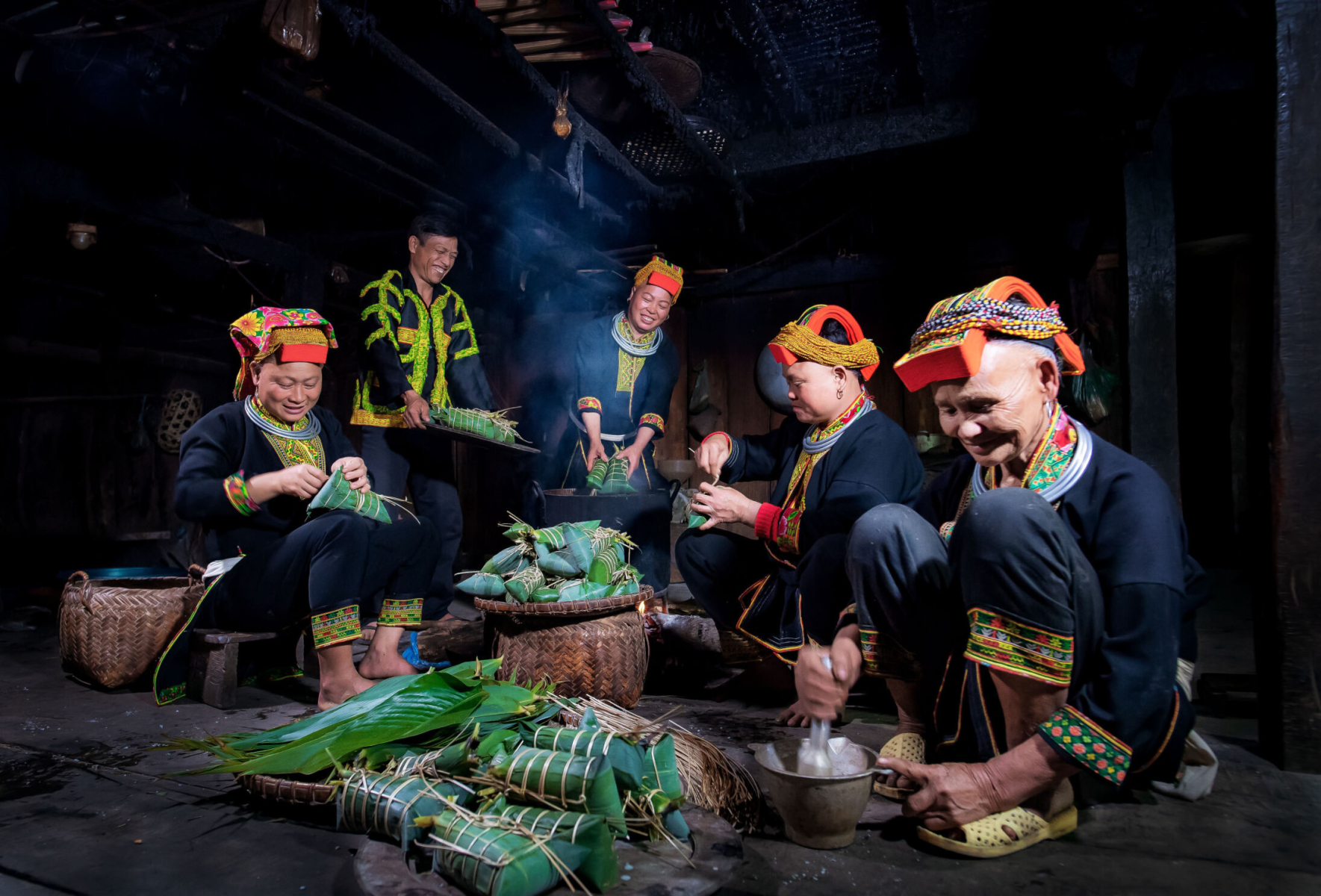
The interior follows strict rules on the division of space. The central hearth, fed with firewood, is the heart of the house. Daily life is organised around this source of warmth: meals are prepared there and the elders pass on family history to the younger generations. Guests are welcomed according to precise rituals of hospitality, illustrating the cohesion and codes of conviviality that govern life in the mountain hamlets.
Then singing and the Tinh lute: pillars of intangible heritage
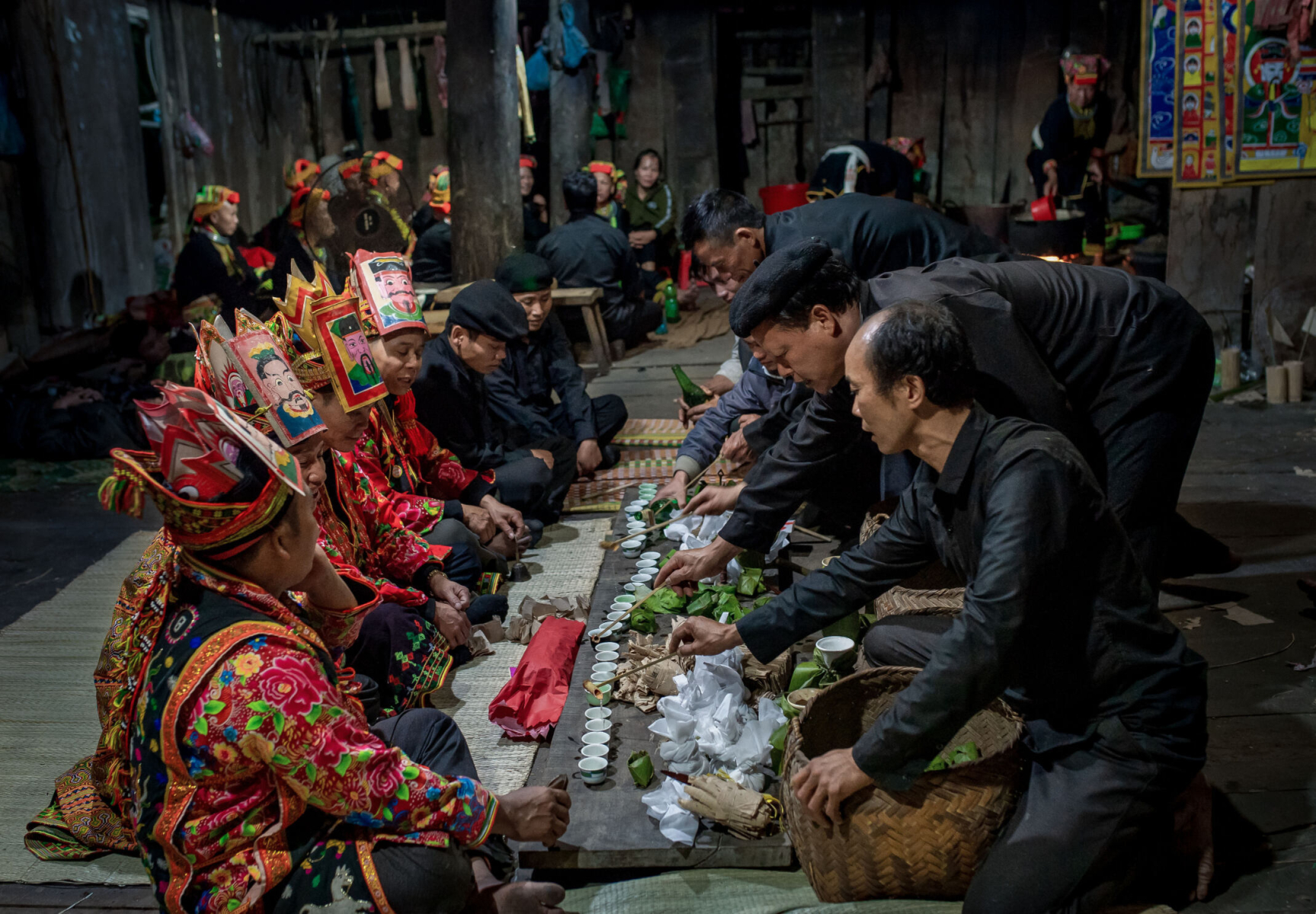
The spiritual and social life of the province is strongly marked by Then singing, a major ritual practice of the Tay and Nung peoples. This traditional chant, which combines music, poetry and codified movements, is performed at important ceremonies such as healing rituals, New Year celebrations and prayers for abundant harvests. The master of ceremonies (called Ong Then or Ba Then) acts as the link between the community and the deities, invoking peace and prosperity for the village.
The singing is always accompanied by the notes of the Tinh lute (or Dan Tinh), a traditional stringed instrument whose sound box is made from half a dried gourd topped by a long wooden neck. This music plays an indispensable role in maintaining social cohesion, acting as a vehicle for collective memory and cultural identity. Village festivals, which often take place in late morning after the farm work is done, are the best time of day to see these ritual performances in their authentic context.
Textile crafts: indigo dyeing and symbolic embroidery
The visual identity of Lang Son’s communities is expressed very concretely in their traditional costumes, which reflect rigorous technical know-how. The Tay and Nung are renowned for their mastery of indigo dyeing (cham), obtained by fermenting local plants. This treatment gives cotton fabrics a characteristic deep blue colour, famed for how well it lasts.
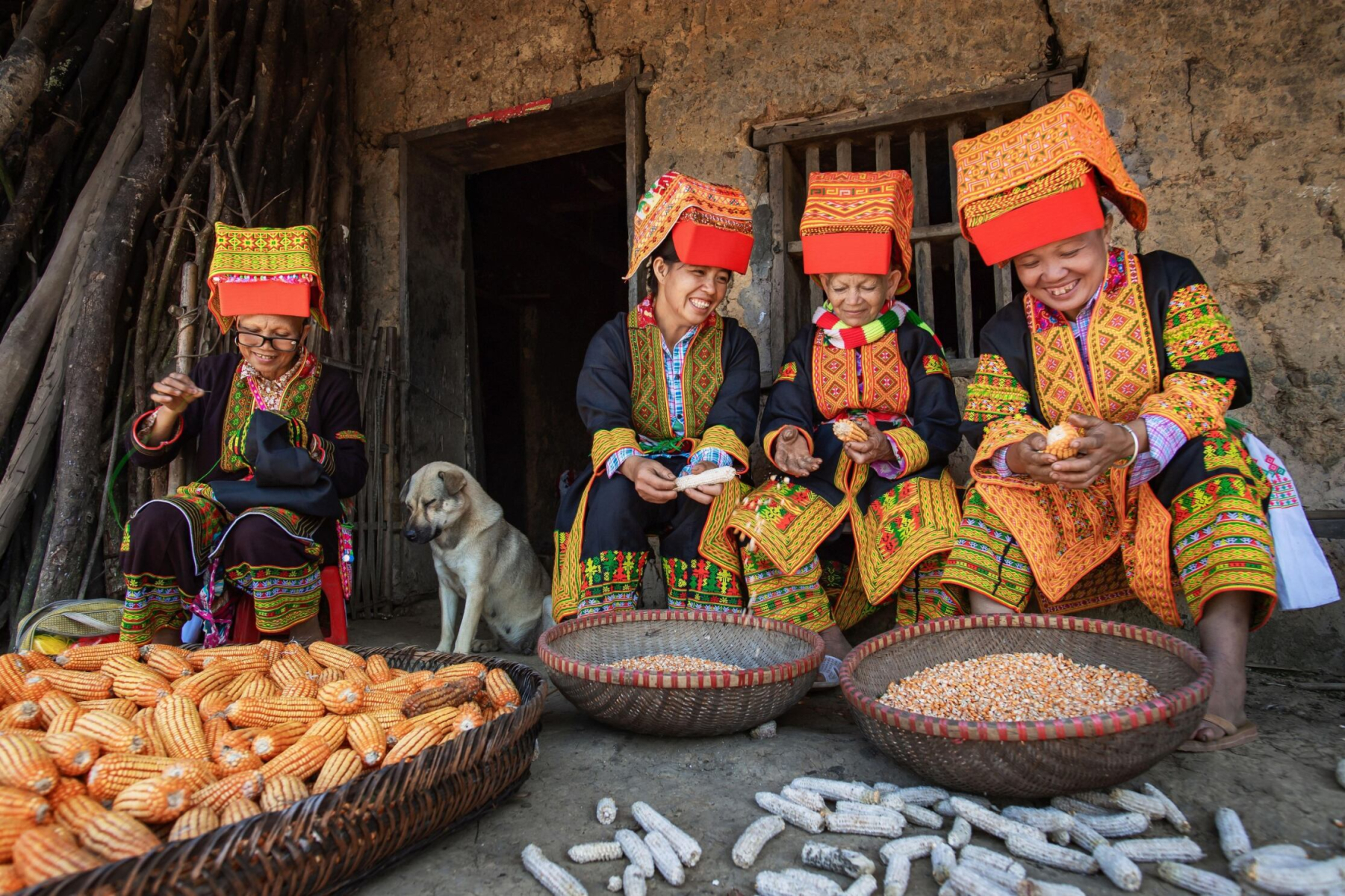
Among the Dao and Mong, ceremonial clothing stands out for the complexity of its hand-embroidered motifs on collars, sleeves and belts. Each geometric or figurative design is a symbolic script that retraces the people’s migrations, their cosmological beliefs and their respect for the ancestors. Making these textiles is long, painstaking work, handed down from generation to generation, that makes the most of local natural resources.
The economic and social life of the periodic markets
The mountain markets, held on fixed dates according to the lunar calendar or every week in the main districts, are the province’s meeting points. These periodic gatherings go beyond the simple commercial function of exchanging basic goods or bartering farm produce.
They are a major social space where the different ethnic groups meet to exchange news, share meals and break the isolation of the valleys. The stalls overflow with local produce, from valley-grown glutinous rice to the region’s renowned specialities such as Lang Son roast pork or roast duck, prepared with local herbs such as mac mat leaves. For visitors, wandering the aisles of these markets is a chance to see the diversity of traditional dress and understand the real economic dynamics of life on the border.
The great traditional gatherings of Lang Son
The province’s cultural calendar is concentrated in the first lunar month, a period of rest after the winter harvest.
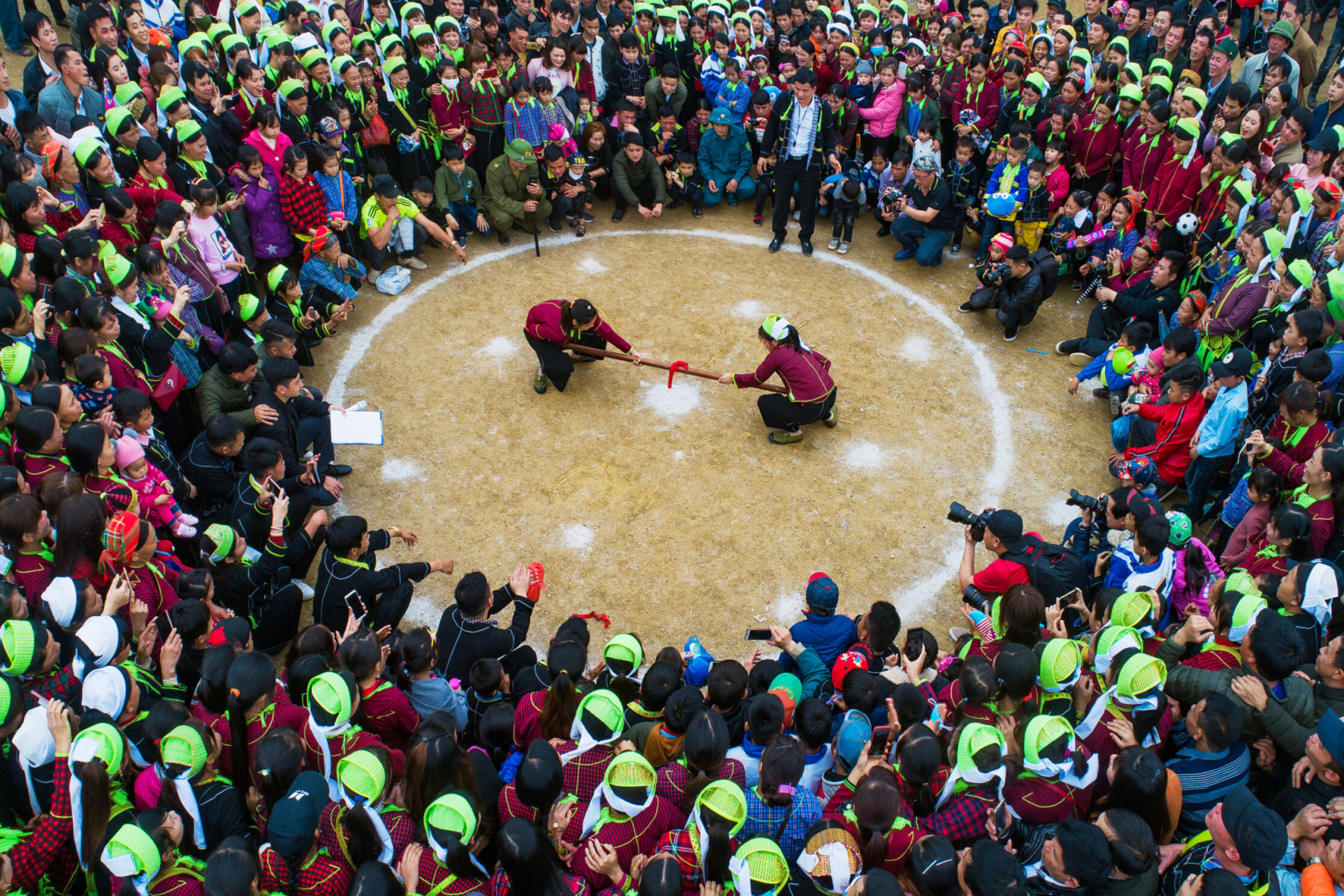
Long Tong Festival (4th to 15th day): a rural celebration of the Tay and Nung to ask for clement weather, marked by the throwing of a sacred ball and tug-of-war.
Mau Dong Dang Temple Festival (10th day): a major gathering on the border dedicated to the worship of the Mother Goddesses, with lion dances and martial arts.
Na Nhem Festival (15th day): a unique Tay ritual in Bac Son with parades of handmade masks to encourage the fertility of the land.
Ky Cung - Ta Phu Festival (22nd to 27th day): the province’s largest urban procession, in memory of the protectors of the border.
Conclusion
Lang Son province offers a travel experience focused on the social structure and craft traditions of the north-east’s minorities. From the layout of the stilt houses to the rituals of Then singing, discovering this border area allows a factual and measured understanding of how local cultures persevere in the face of the country’s contemporary changes.
Photo: VNA