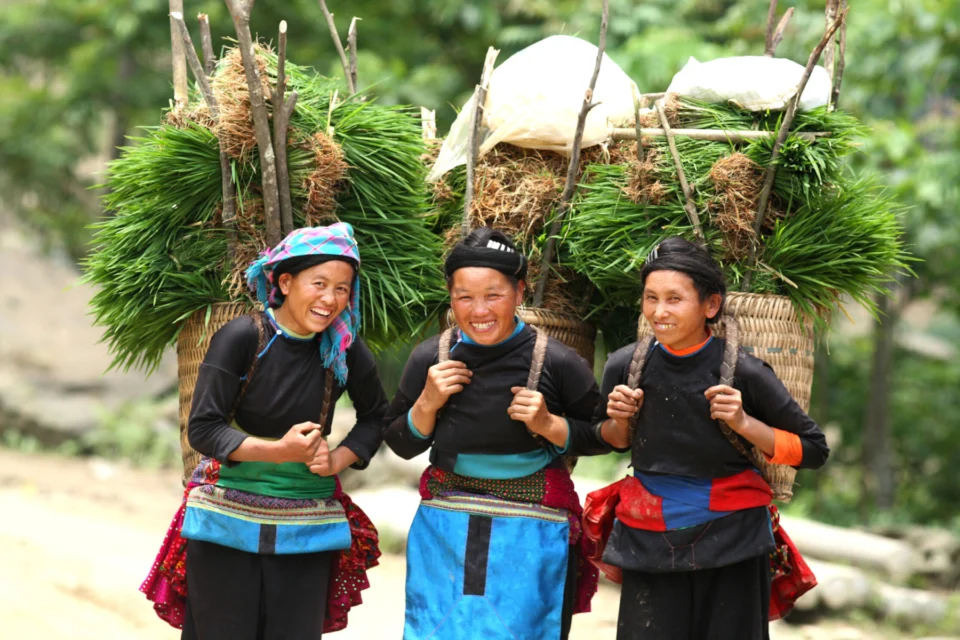
Beneath the blanket of fog that often envelops the ridges of Sa Pa beats a heart of unsuspected warmth, that of a hospitality which is not a service but a sacred duty inherited from the ancestors. For travellers seeking human reconnection, being welcomed in the mountain villages is the ultimate experience of the prestige of the soul.

Here, the door is never really closed; it is a silent invitation to share the smoke of the hearth (bep lua), the nerve centre of the home where the cohesion of the clan is forged. The insider’s view reveals that luxury in Sa Pa lies in this raw generosity: offering the visitor the best seat by the fire and the fullest cup of corn wine, because in local cosmogony the stranger is often regarded as a passing messenger bringing luck to the house.

The sophistication of this hospitality shows itself in a series of unspoken rituals that discerning travellers learn to decode. During a homestay, the protocol often begins with the sharing of Shan Tuyet tea from hundred-year-old trees. This is not a simple drink but a diplomatic preamble. Then comes the collective preparation of the meal, where the host makes a point of using produce from their own garden and livestock. This rigour in the provenance of food - from pork smoked above the hearth to wild herbs picked at dawn - sets an ethical standard that the great metropolitan restaurants now try to copy. Prestige lies in this truth of the product and the absence of any filter between producer and guest.

Finally, this exchange reaches its height during night-time gatherings, when the mist seeps through the cracks in the wooden walls. It is at this moment, far from digital distractions, that Sa Pa’s hospitality takes on its metaphysical dimension. Around the hearth, language barriers fade in favour of sensory communication: a kindly look, the sharing of a water pipe or the laughter of children. For senior travellers, this immersion is a kind of cure for the mind. It is a reminder that the true luxury of the 21st century is the ability to be received as a member of the family in a place where one is nevertheless a stranger. Leaving the village at dawn, visitors take with them not only images of rice terraces, but the certainty of having touched a form of humanity that is universal, unalterable and deeply elegant.
Last checked Suggest a correction