More about Thai Binh Cuisine: A Sensory Journey Through 10 Exceptional Specialities
1. Nguyen village sticky rice cake

Delicious pieces of banh cay. Photo - Luong Ha
Much more than a simple sweet, Banh cay is an absolute symbol of respect and tradition in the heart of Thai Binh. Originating from the famous village of Nguyen, this exceptional delicacy was once strictly reserved for royal ceremonies and the court table. Its artisanal making is a long and complex ritual: top-quality glutinous rice is first coloured entirely naturally, then meticulously mixed with sesame seeds, roasted peanuts, pieces of candied pork fat and fragrant mandarin peel.
In the mouth, each piece offers an absolutely fascinating contrast of textures between the crunch of the toasted seeds and the springy softness of the rice, all subtly lifted by the discreet, pungent warmth of fresh ginger. It is the cultural and gourmet gift par excellence to slip into your luggage when leaving the province to give to loved ones.
2. Turmeric rice cake
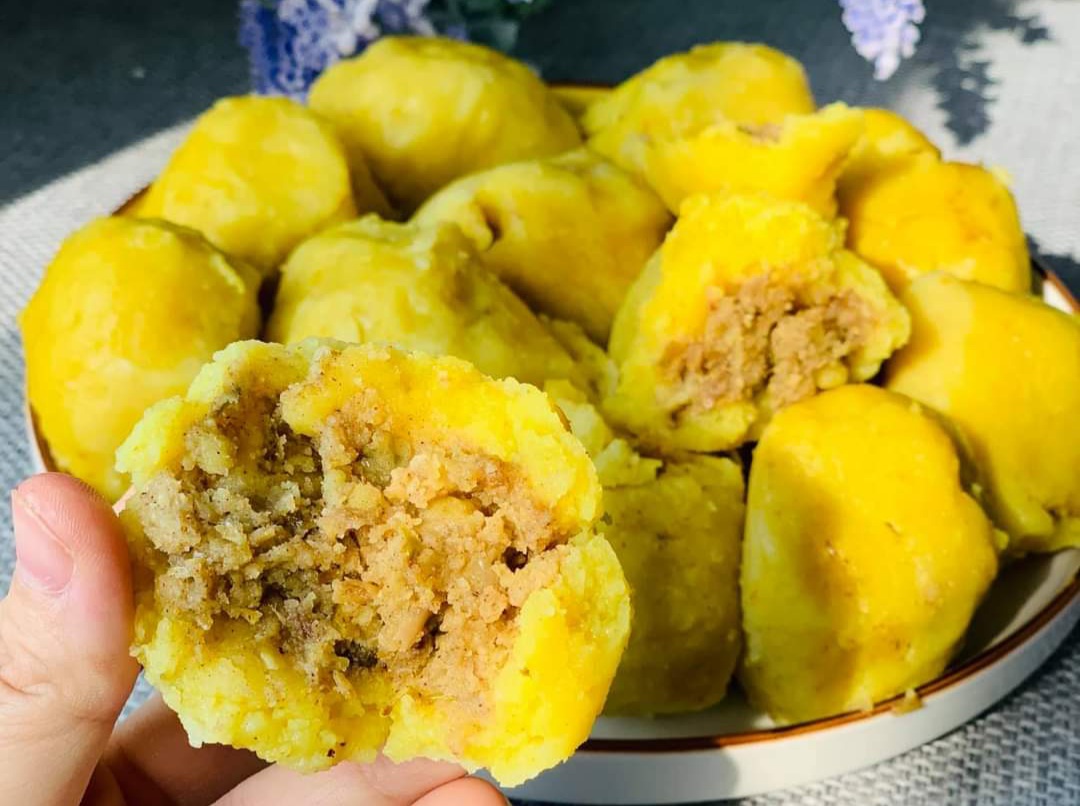
Turmeric cake filling. Photo: Nam Hong
Banh nghe is a real gem of rustic cooking that single-handedly embodies all the gentleness and simplicity of village life. This traditional cake stands out at first glance for its magnificent bright yellow colour, obtained the age-old way by adding carefully ground fresh turmeric.
The rice dough, worked to an incredible fineness, delicately wraps a generous, tasty filling of fried shallots, minced pork and crushed black pepper. Wrapped in protective banana leaves and then steamed, the cake gives off an earthy, woody and bewitching fragrance when opened. It is a healthy, economical and deeply comforting morning snack found on the stalls of small local markets from daybreak.
3. Home-garden chicken
In the green countryside that shapes the landscape of Thai Binh, chickens are traditionally raised completely free-range, pecking at grains of rice and insects at their own pace in the shady gardens of the hinterland. This extensive farming method, respectful of the animal's rhythm, gives the meat remarkable firmness, very little fat and an exceptionally pure flavour.
For locals, the most authentic preparation is undoubtedly the simplest: the chicken is just boiled in clear water with a pinch of sea salt, then cut up and served sprinkled with finely shredded lime leaves. Its golden, thin and naturally crisp skin is a rustic delight local diners never tire of.
4. Muscovy duck noodles
Muscovy duck (ngan) has become an essential culinary institution in the region. This speciality consists of soft white rice noodles generously bathed in a perfectly clear broth. The broth's remarkable depth of flavour comes from very slow, patient simmering of duck bones with dried bamboo shoots, which add a characteristic smoky note.
The meat, cut on the spot into generous slices, is exemplarily tender and richly flavoured. Served with a dipping sauce spiked with crushed garlic and fresh chilli, the dish offers a perfect balance between the umami richness of the meat and the tangy lightness of the condiments.
5. Artisanal brown noodles
These wide noodles with a beautiful ochre colour are the true visual and taste signature of the province's popular breakfasts. Unlike classic white rice noodles, Banh da do, thanks to its traditional method of production, has a much springier texture and a subtly caramelised flavour.
It is usually served in a rich paddy-crab broth, nicely topped with fresh prawns and an assortment of seasonal greens. It is a visual, colourful and deeply flavoursome dish, each bowl recalling the fertility and generosity of the province's flooded rice fields.
6. Quynh traditional liquor
Respectfully nicknamed “the soul of the land” by local people, this traditional liquor is distilled with rigour according to closely guarded ancestral methods in the village of Quynh Coi. It is made exclusively from top-quality yellow glutinous rice (gao nep cai hoa vang) and a unique artisanal starter made from a secret blend of 36 traditional medicinal herbs.
The precious drink that results has perfect crystal clarity. Despite its strength and strong character, it surprises connoisseurs by going down with remarkable smoothness and roundness, leaving a lingering, comforting warmth without ever being harsh. It is the great ambassador of conviviality and sharing at banquets and village festivals.
7. Bo village guava
Oi Bo is definitely not an ordinary guava; it is a unique horticultural jewel and the absolute pride of Thai Binh province. Grown exclusively on the fertile, alluvium-rich and well-drained banks of the Tra Ly River, it stands out at first glance for its rough skin and intensely crunchy flesh.
What makes this fruit truly exceptional is its perfect balance between a subtle, refreshing acidity and a deep sweetness, all carried by a very intense floral fragrance. It is a product of such a specific terroir that it becomes rare: the tree never gives the same flavour or aromatic complexity when planted outside its native soil.
8. Creamy oyster porridge
Near the coastal areas of Thai Thuy district, oyster porridge is an absolutely essential morning or late-night speciality for travellers. To make it, local rice is patiently simmered over a low heat until it bursts and turns into a smooth, dense and perfectly creamy texture.
At the last moment, fresh rock oysters, just shucked and quickly seared in a pan with golden shallots and crushed black pepper to keep their juicy texture, are added. It is a highly nutritious and very comforting dish, offering a real explosion of marine flavours and buttery notes in every spoonful.
9. Diem Dien dried shrimp
In the port town of Diem Dien, processing and preserving seafood is an art in its own right. Fresh shrimp, selected as soon as the fishing boats return, are peeled one by one by hand by the artisans with almost surgical precision so as not to damage the flesh.
They are then spread on large racks and dried naturally under the generous sun and salty breezes of the coast. The result of this meticulous process is a dried shrimp of a magnificent translucent ruby-red colour with a highly concentrated sweet taste. Much prized, they are commonly used to infuse and add depth to traditional broths or eaten as they are, as a delicate and refined snack.
10. Nhech fish salad

Photo: Nguoi Lao Dong newspaper
This is undoubtedly the boldest, most technical and most sophisticated dish in Thai Binh's culinary heritage. The nhech is an eel-like sea fish that thrives in the brackish waters of the estuaries, particularly renowned among gourmets for the delicacy and purity of its white flesh. The flesh is thinly sliced raw, then coated and massaged with thinh, an intensely aromatic toasted rice powder.
Eating it is a true table ritual: diners select and layer a multitude of fresh and medicinal herbs with digestive virtues to form a protective cone, place the fish in it, then top it with a rich, dense and warm sauce called cheo, made from simmered fish bones and spices. It is a masterly symphony of textures and flavours - skilfully combining sour, bitter, rich and spicy - that single-handedly defines the culinary genius and ingenuity of Thai Binh.
The cuisine of Thai Binh reflects a land that takes its time. It does not seek artifice but favours depth and authenticity. Tasting these ten specialities means treating yourself to an intimate journey into the heart of the farming and maritime culture of northern Vietnam.


