
More about Na Hang Nature Reserve
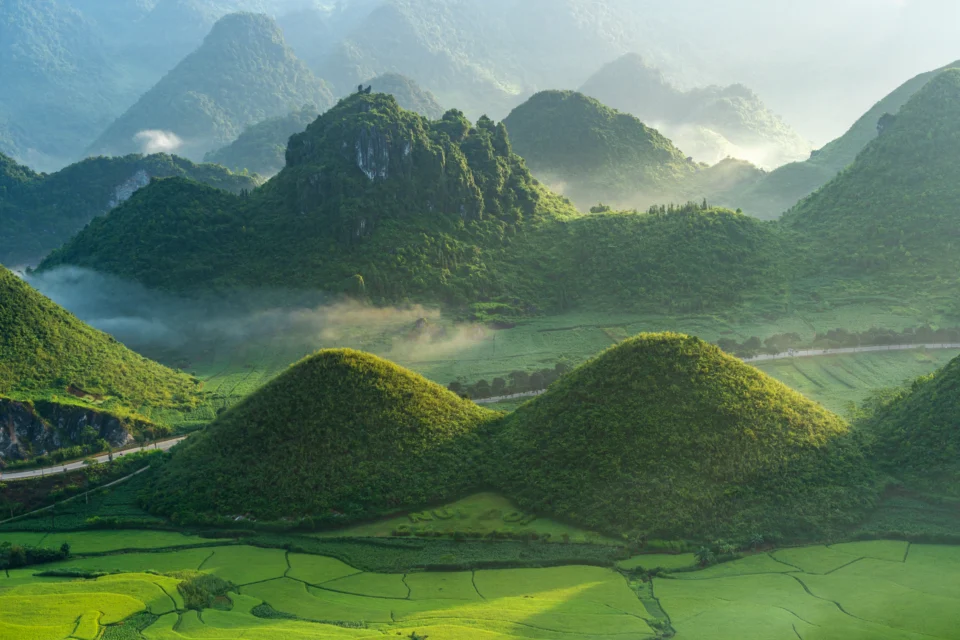
Where the mountainous provinces of northern Vietnam meet, the Na Hang basin forms a spectacular landscape in which the calm water of a vast reservoir surrounds hundreds of rugged limestone pyramids. Carved by the Gâm and Nang rivers, this part of Tuyen Quang province sets its dense canopy and sheer rock walls against the urban development of the plains. Choosing it for your itinerary means leaving the usual roads to travel at the pace of local boats, between protected nature sanctuaries and stilt-house villages. Exploring its great karst formations and the culinary traditions of its Tay communities, travellers reach one of the most secret and best-preserved ecological areas of the highlands.
See also: 10 fascinating historical and natural destinations in Tuyen Quang
Key places to visit in the Na Hang reserve
To plan your trip as well as possible and understand what makes each major site special, here are the concrete features and practical details of the places to explore:

Photo: HaiLeCao
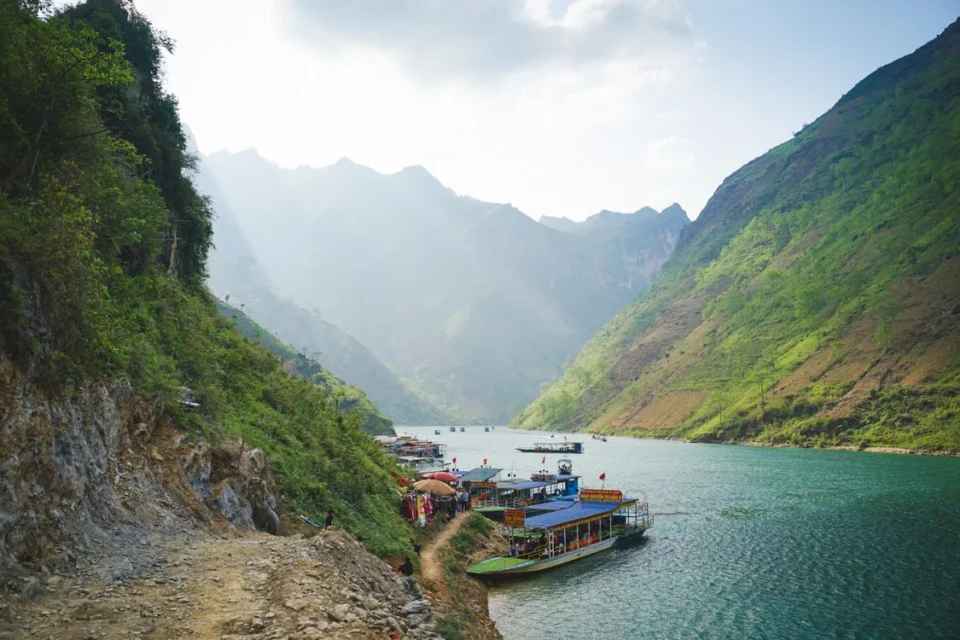
Na Hang reservoir: This vast stretch of emerald water is the centrepiece of any stay in the area. It can only be explored by motorboat or kayak from the central pier. The best time to set off is around 8 am, when the mist slowly lifts off the water and reveals the reflections of the wooded cliffs

Photo: Huynh Nhi
Coc Vai peak (Coc Vai Pha): This monumental limestone pillar, whose name means “the post for tethering the heavenly buffalo”, rises straight out of the water in Thuong Lam commune. It is the reserve's most famous geological landmark, reached after about an hour by boat. Boats stop here so you can see up close how the water has eroded the base of the rock.
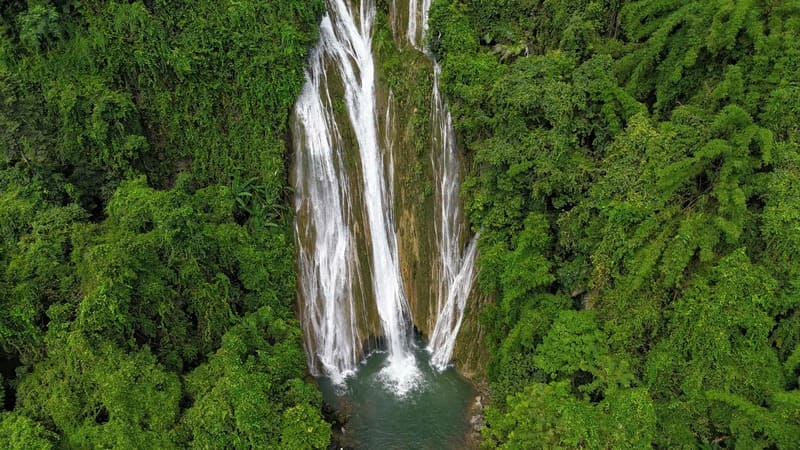
Photo: Huong Pham
Khuoi Nhi waterfall: Tucked away in the primary forest, this multi-tiered waterfall is famous for its natural pools of cool water. Travellers land here around midday for a short shaded walk under the canopy and a natural break from the heat. The site is also known for the small wild fish that nibble the skin of bathers.

Photo: Lao Dong newspaper
Tat Ke - Ban Bung primary forest: This nature reserve is home to exceptional biodiversity, including centuries-old trees and rare animal species such as the Tonkin snub-nosed monkey. It is explored on foot with a local guide. The demanding trails call for good walking shoes and preparation against the humidity.
Cultural immersion and mountain food traditions
Beyond its rocky landscapes, the Na Hang experience is enriched by the ancestral ways of life that flourish on its shores:
Hospitality in stilt houses: Ideally, the stay continues with a night in the hamlets of Thuong Lam commune. Travellers share the daily life of Tay families, staying in spacious traditional wooden houses with thatched roofs that look straight out over the rice fields and mountains at dusk.
Flavours of the northern highlands: Meals, shared around the central hearth, celebrate the valley's produce. The menu features river fish grilled in banana leaves, local pork smoked over the kitchen fire and wild bamboo shoots gathered in the forest that same morning.
The Na Hang corn liquor ritual: Dinners are traditionally accompanied by ruou ngo, a spirit distilled locally from corn fermented with a leaf starter made from more than twenty wild medicinal plants, central to the region's culture of hospitality.
A preserved balance between nature and mountains
Na Hang stands out as an essential geographical landmark for lovers of wide open spaces and environmental care. Combining the immensity of the lake, the verticality of Coc Vai peak, the coolness of Khuoi Nhi waterfall and the density of the Tat Ke forest, the destination offers total immersion. It shows that preserving water and forest resources remains the best way to guarantee an authentic journey into the mountains of northern Vietnam.