Travelling in South-East Asia, and particularly in Vietnam, in July and August - the peak of the monsoon and the period of typhoon risk - brings obvious logistical and safety challenges. Objectively speaking, however, travelling in this low season offers undeniable advantages: better prices, less crowded sights and the chance to discover a more intimate and peaceful side of each destination.
For your stay to run smoothly and to minimise the risk of disruption, a rigorous preparation strategy is essential. That means methodical packing, careful analysis of weather data and having fallback plans ready.
1. Packing smart: the basic rules for facing tropical rain
Rain in the tropics is sudden, and the very high humidity slows down the drying of fabrics. Your choice of clothing and protective gear should therefore be driven by efficiency and durability:

Photo: Quang Nguyen Vinh
Choosing fabrics: Leave heavy clothes that hold water, such as jeans, denim or thick cotton, at the back of the wardrobe. When wet, they get heavy, rub uncomfortably and start to smell damp because there is no sun to dry them. Opt for clothes in technical, synthetic (polyester, nylon) or lightweight materials known for drying quickly.

Photo: Nguyen Designer
Waterproof protective gear: In strong gusts of wind, an ordinary umbrella is useless, or even dangerous when it turns inside out or breaks. The best option is a thick rain poncho or a waterproof jacket and trousers that give excellent coverage.

Photo: Hoa Le Dinh
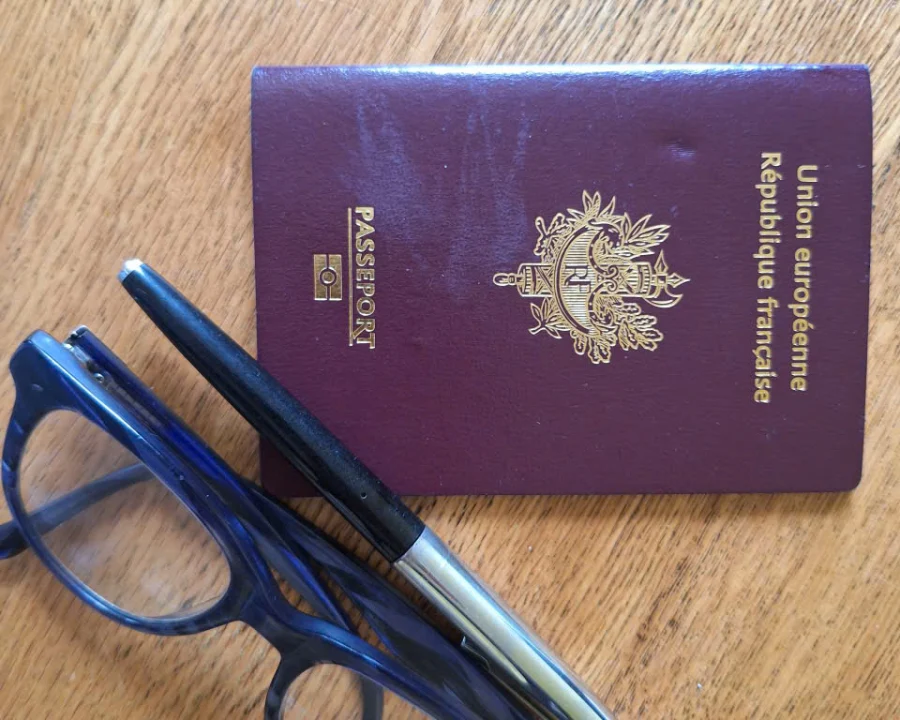
Protecting your tech: Invest in professional roll-top waterproof bags (dry bags) to protect your essential identity documents (passport, cards) and electronic devices (cameras, laptops, phones). A waterproof backpack cover (rain cover) is also a must for every outing.

Photo: thngocbich
The right footwear: Avoid canvas trainers and high-end leather shoes. Prolonged exposure to standing water damages the materials and encourages bacteria. Wear non-slip hiking sandals with good grip or moulded plastic rain shoes to keep your footing on slippery ground.
2. Reading weather data and managing natural disaster risks
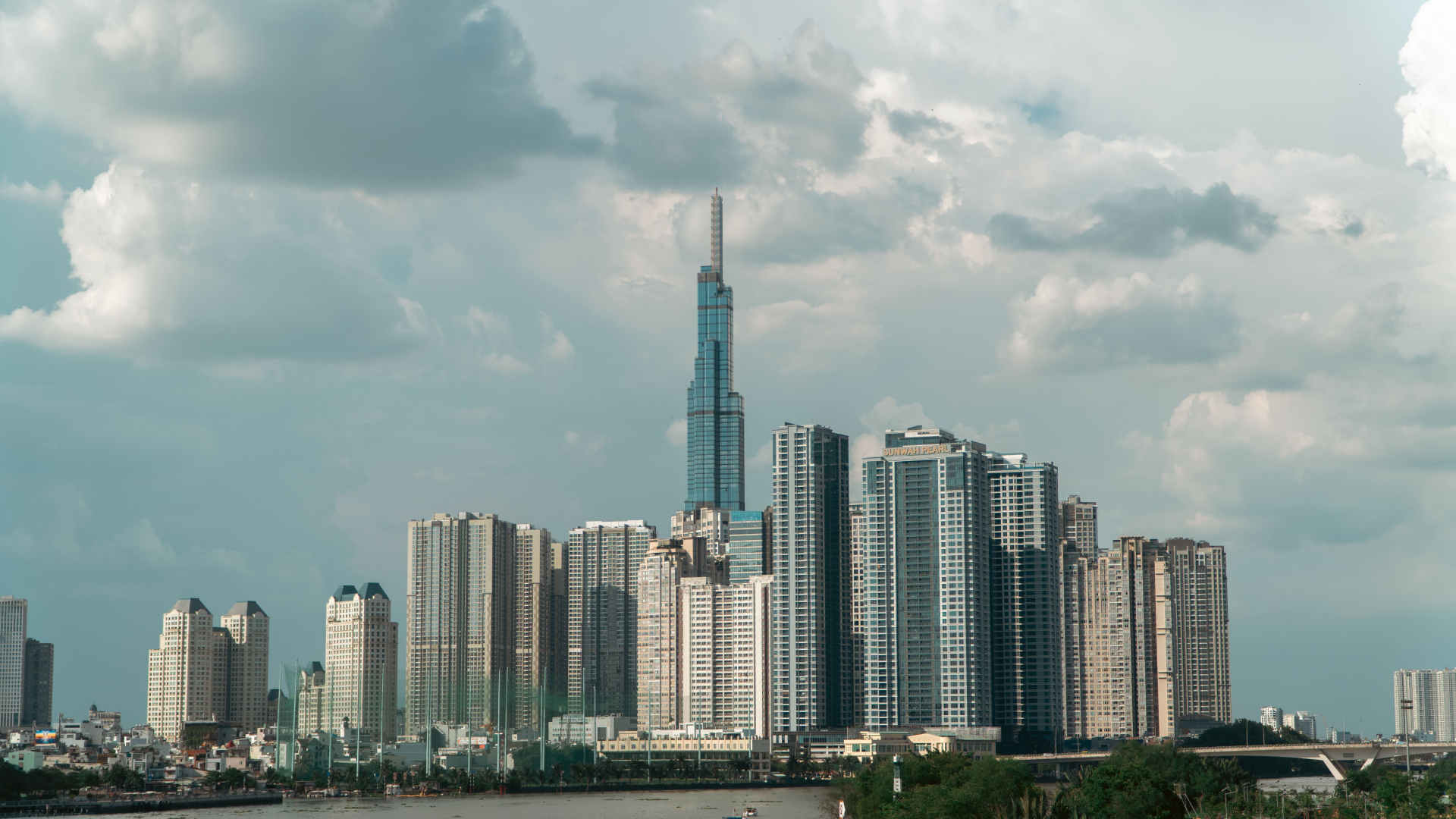
Photo: Phat Tri Nguyen
The default weather apps on your smartphone are not enough, as they give overly general forecasts based on large-scale algorithms. To manage your itinerary methodically, rely on specialist sources:
A dynamic mapping app: Install the Windy app. It is a tool for watching weather models in real time, used by aviation and marine professionals. With maps showing wind paths, cloud density and pressure readings, you can anticipate a storm cell heading your way and take shelter in time.
Official sources of information: Regularly check the website of the Vietnam National Centre for Hydro-Meteorological Forecasting (NCHMF). As soon as a tropical depression or typhoon forms, the official bulletins give its coordinates, speed and alert zones, so you can decide safely whether to keep or postpone your excursion.
On-the-ground updates from local communities: Join trusted local travel groups on social media. The information residents share about flooded urban areas, mountain pass roads prone to landslides or bans on boat trips to the islands is updated by the minute and matches the reality on the ground exactly.
3. Travel insurance: essential financial and legal protection

Photo: Tima Miroshnichenko
For any trip taken during periods of unstable weather, travel insurance is not an optional extra but an essential way to protect your spending against unforeseen events beyond your control.
Key clauses to check: When taking out a policy, read carefully the sections on “Trip interruption or cancellation due to natural disaster” and “Flight / public transport delay”. Make sure the insurer covers non-refundable costs (plane tickets, hotel bookings) if your trip is cancelled because of an official ban on flights or sailings.
Putting together your claim: If something happens, immediately gather the evidence needed for your claim. Ask the airline or transport company for an official written or email statement giving the exact cause of the delay or cancellation. Keep all boarding passes and any extra hotel and meal receipts for your insurer.
4. Fallback plans: a list of indoor activities

Photo: Simeart
An afternoon of torrential rain does not mean your day is lost. Instead of staying shut in your hotel room, switch your programme to rich experiences in covered, sheltered spaces:
Museums and cultural centres: This is the ideal time to learn more about local history, ethnology and art. Museums, private galleries and old religious buildings not only offer dry, safe shelter but also a calm atmosphere, perfect for an enriching cultural visit.
Exploring the great traditional covered markets: Historic covered markets (such as Ben Thanh market in HCMC, Dong Ba market in Hue or Han market in Da Nang) have permanent structures. They are the perfect place to shelter while watching local life and tasting warm, comforting specialities - ideal for offsetting the chill of rainy days.
Workshops and craft classes: Look for and sign up to short courses (2 to 4 hours) offered locally. Pottery, embroidery, handmade perfume or traditional cooking classes let you make the most of your time while creating a personal souvenir to take home.
Conclusion
The key to a successful trip during the monsoon season lies in a flexible mindset combined with rigorous logistics. Once you have a sound “Plan B” and reliable weather sources, the vagaries of the climate stop being an obstacle and become an opportunity to discover a destination from a more authentic, calm and truly unique angle.