Ho Chi Minh City is not a place you pass through; it is a place you feel, like a thermal and sensory shockwave, where the weight of colonial history crashes against the gleaming steel of a frenetic modernity. Located in southern Vietnam, where the Mekong Delta meets the coastal plains, the former Saigon grew up along the winding banks of the river of the same name. Founded on marshland, it became the “Pearl of the Far East” under French rule before bearing the scars of the Vietnam War. Today it is the country’s economic powerhouse, a sprawling metropolis where Haussmann-style urban planning meets daring skyscrapers. For travellers in search of contrasts, the city offers a complex geography of districts, each with its own identity, from the ultra-modern business district to the centuries-old alleys of Cho Lon.
Saigon’s anchors: an itinerary between heritage and the future
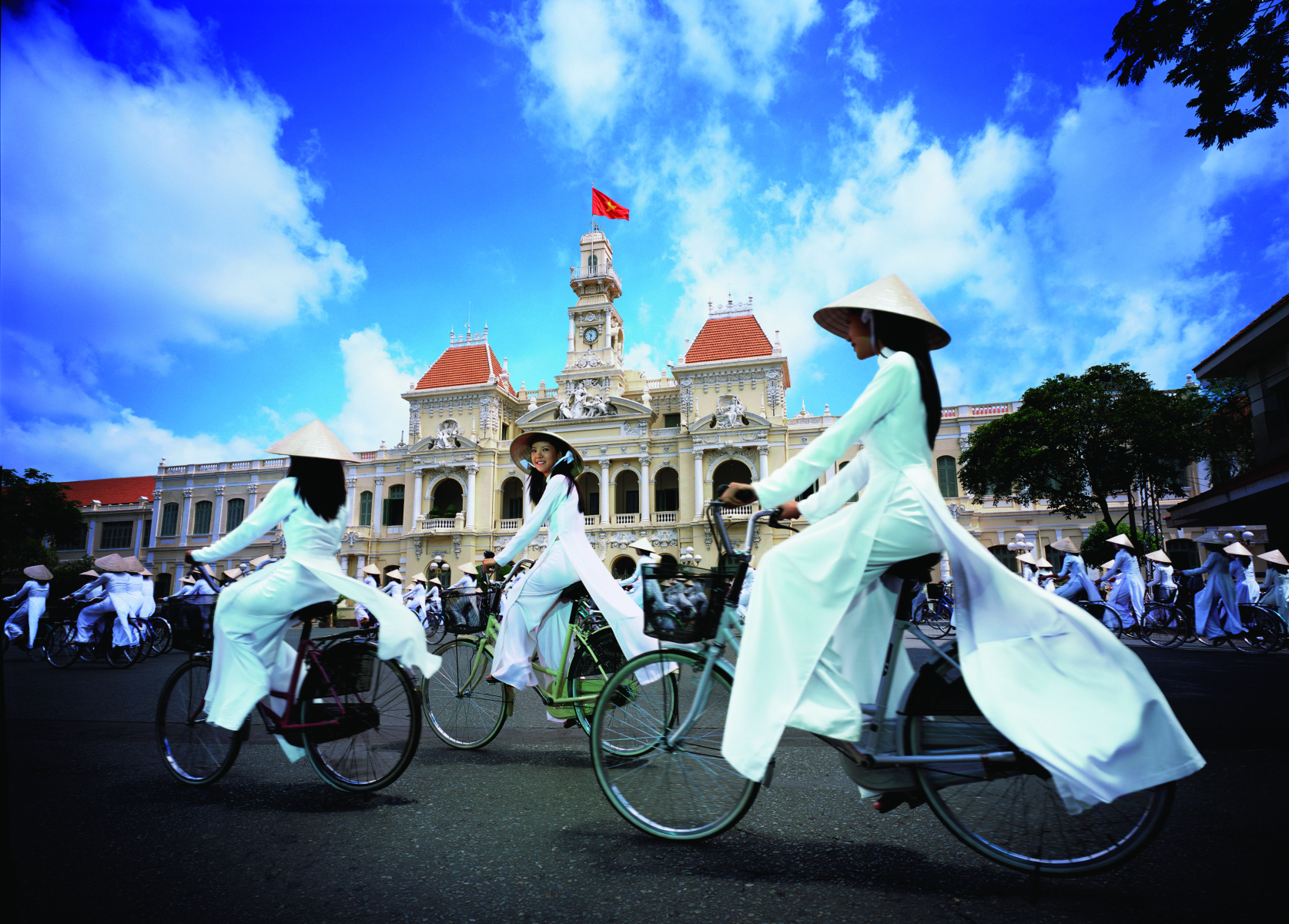
The Central Post Office: Designed by Alfred Foulhoux (and often wrongly attributed to Gustave Eiffel), it surprises with its exposed metal framework reminiscent of a European railway station. Inside, the colonial-era maps painted on the walls help explain the strategic vision of former Indochina, while the portrait of Ho Chi Minh watches symbolically over visitors.
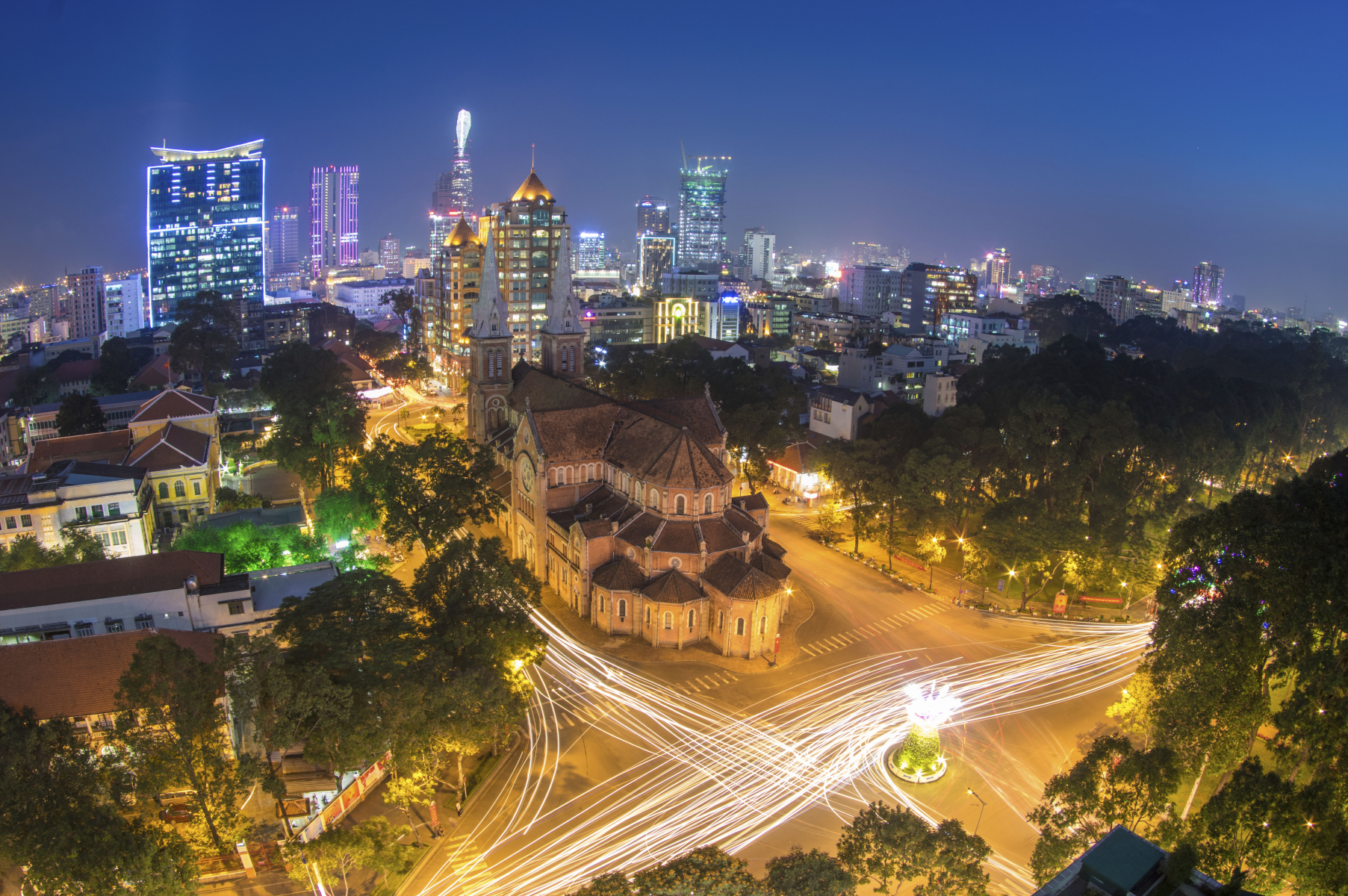
Notre-Dame Cathedral of Saigon: Built between 1863 and 1880, this monument of red brick imported from France embodies France’s desire to establish its culture for the long term. A little-known architectural detail is the absence of traditional foundations: the building rests on a sturdy metal structure to compensate for the instability of the region’s marshy soil.
The Reunification Palace (formerly Independence Palace): This masterpiece of 1960s modernist architecture, designed by Ngo Viet Thu, is a symbol of sovereignty. The most striking historical anecdote remains the morning of 30 April 1975, when a North Vietnamese tank smashed through its gates, marking the end of the war and the fall of Saigon.
The War Remnants Museum: A sombre but essential place of memory, this museum shows the cruel realities of the war against the United States. It holds moving photographs by famous war correspondents and gives a rigorous account of the long-term effects of chemical agents on the local population.
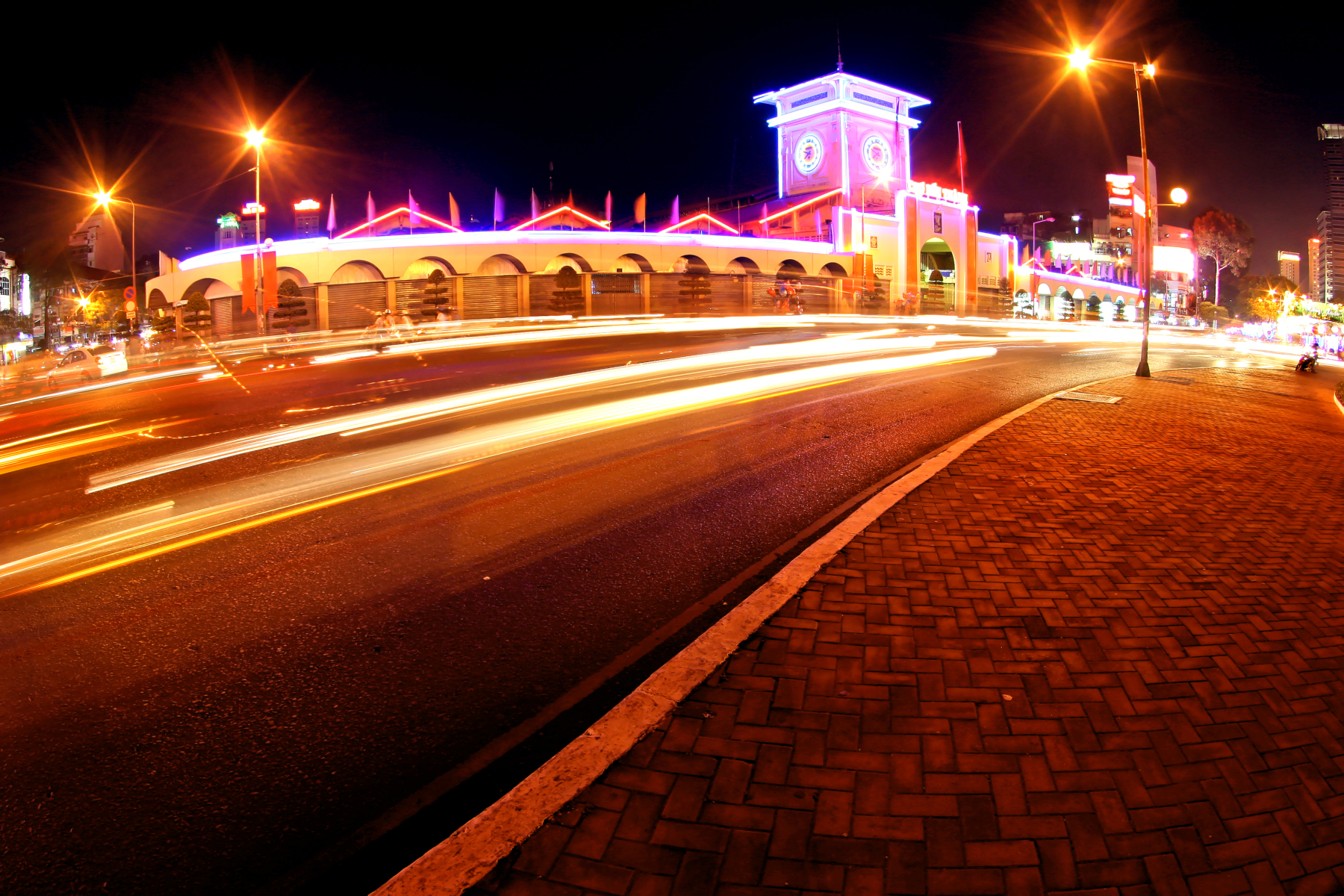
Ben Thanh Market: Much more than a tourist hub, this building with its iconic clock has been the city’s economic barometer since 1914. Those in the know are aware that the real show begins at closing time, when the night market sets up outside, turning the surrounding streets into a laboratory of Saigon street food.
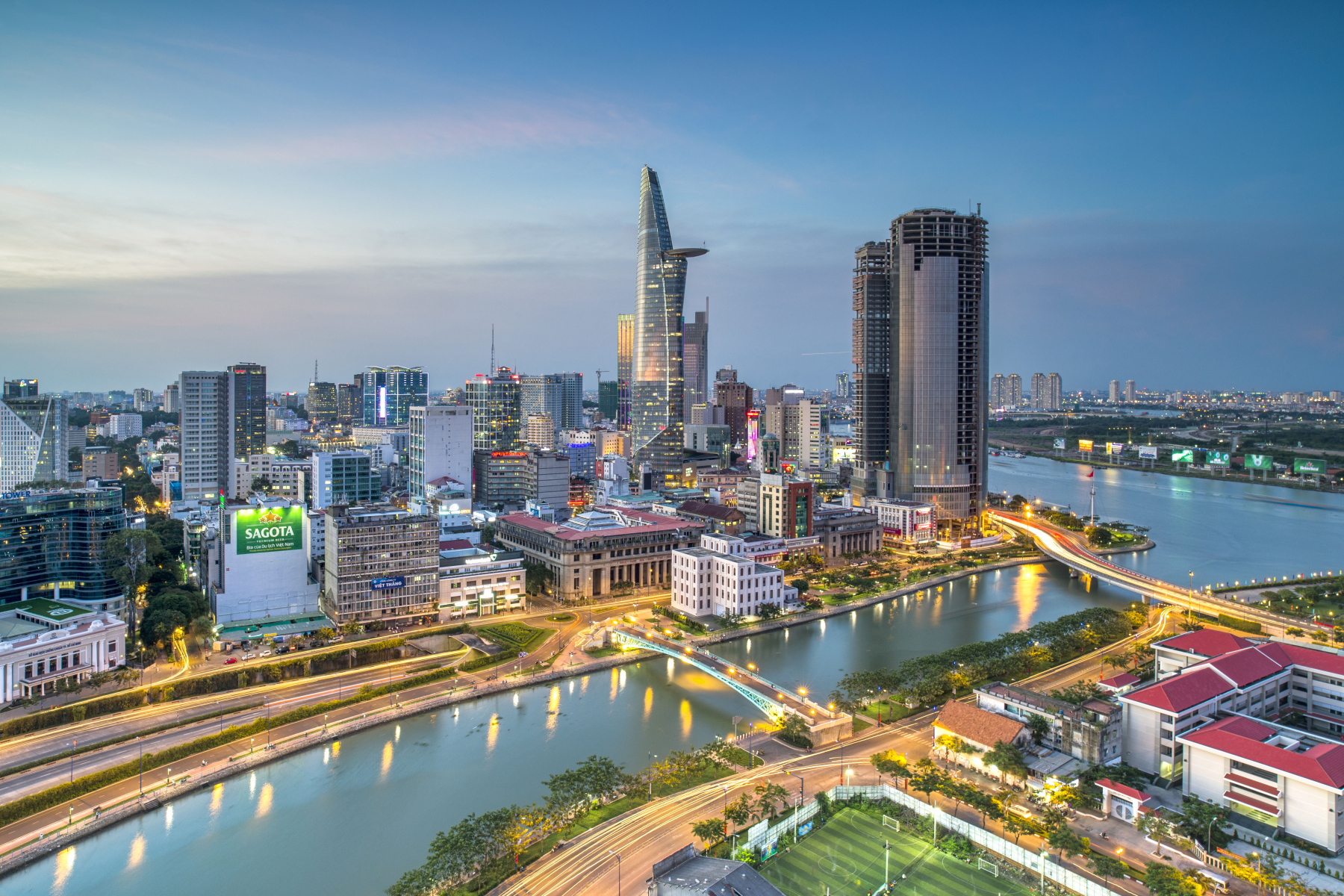
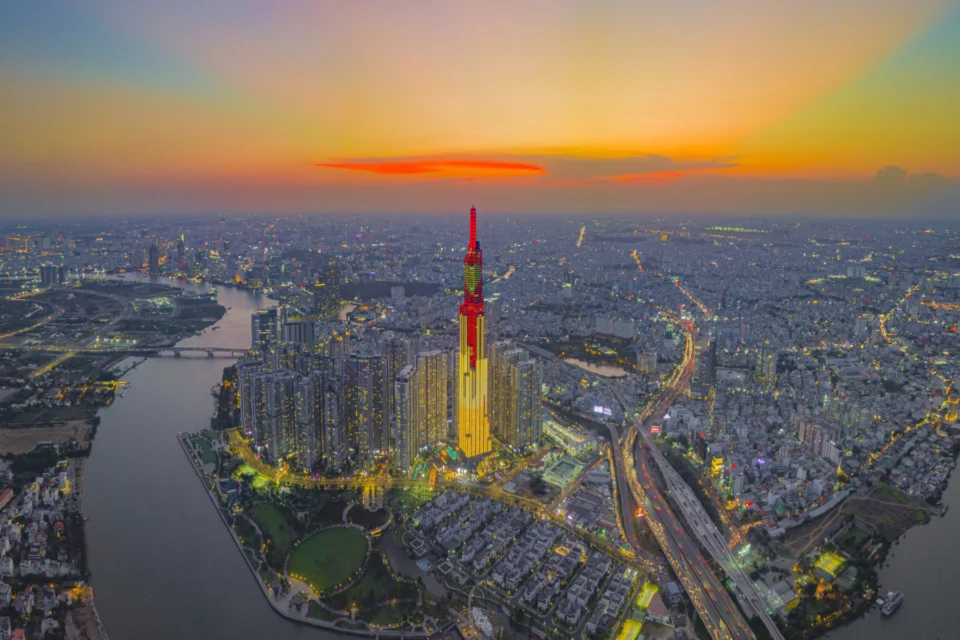
Bitexco Tower and Landmark 81: These two giants illustrate Vietnam’s ambition. While Bitexco evokes a lotus bud, Landmark 81, one of the tallest skyscrapers in Southeast Asia, represents a bundle of bamboo, combining collective strength with dizzying vertical growth.