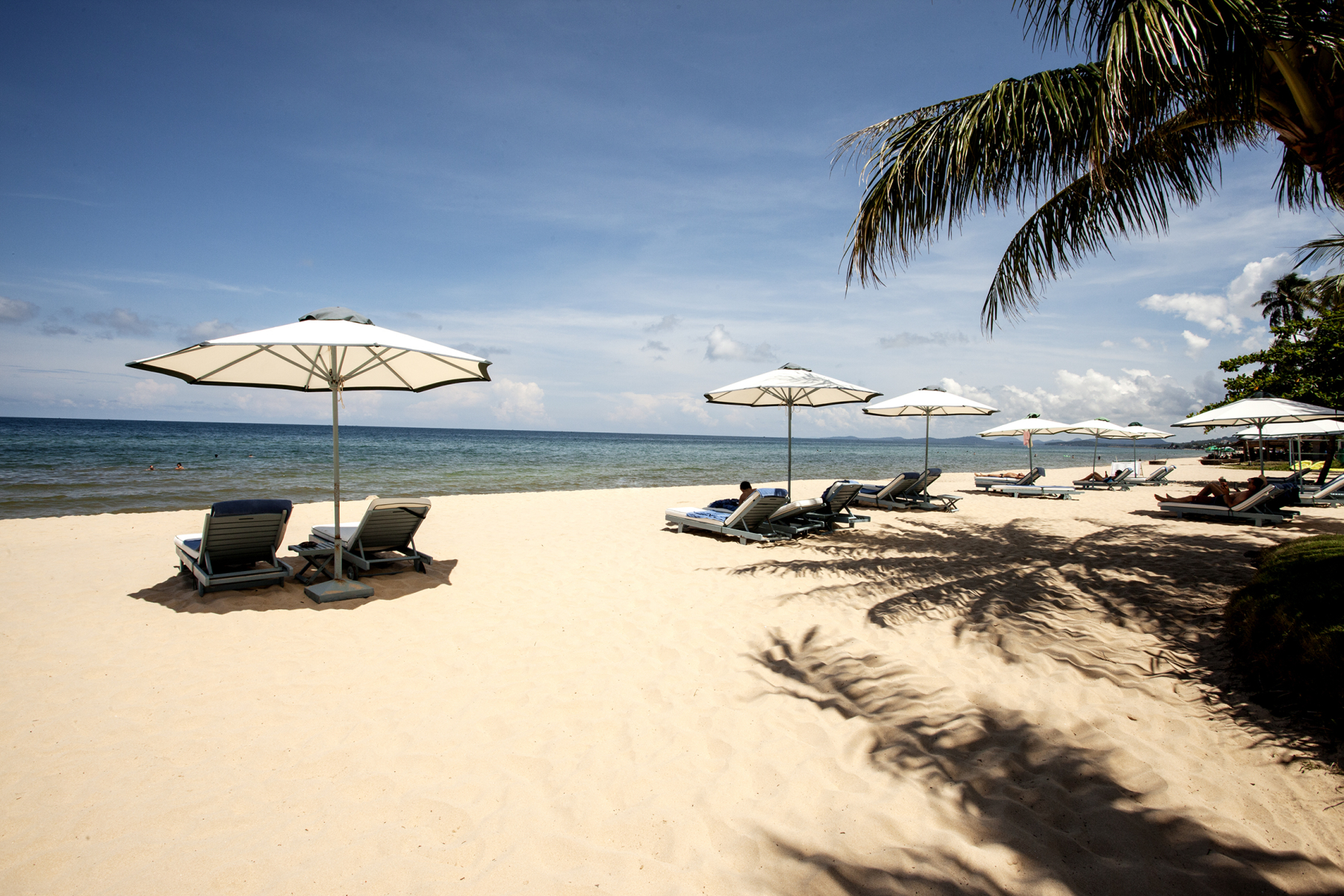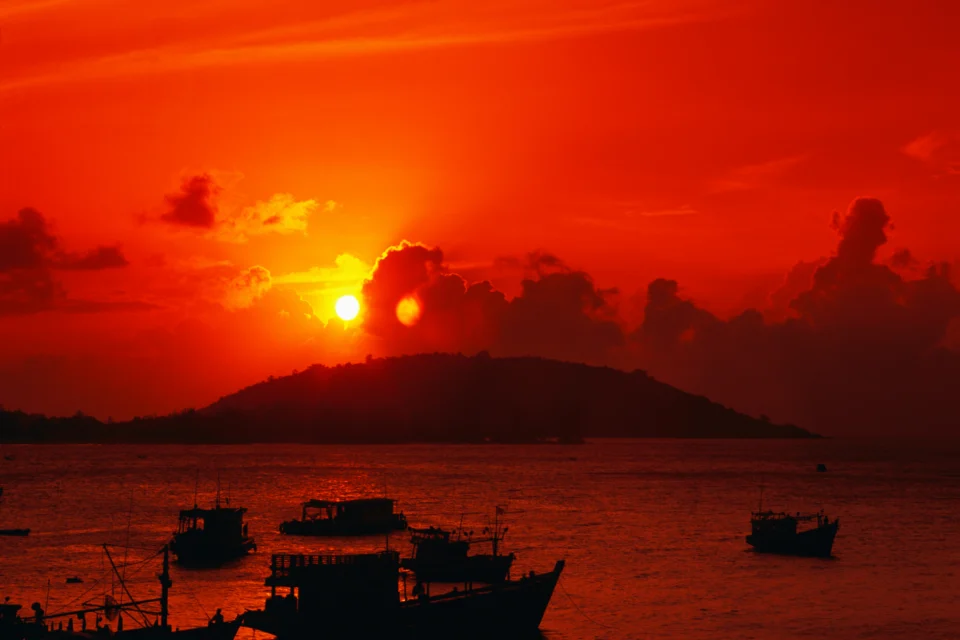
Phu Quoc is not content with being just an island; it is an ecosystem of legends and transformations, a sentinel of jungle and sand standing at the edge of the turquoise waters of the Gulf of Thailand. Located at the south-western tip of Vietnam, the island has a distinctive geography, marked by a chain of 99 mountains stretching like the spine of a sleeping dragon. Historically disputed and once known as Koh Tral, it served as a refuge for exiled dignitaries and as a strategic point on Southeast Asia’s sea routes. Today, although it has become a world-famous destination, Phu Quoc retains a fascinating duality between its national park, part of a UNESCO biosphere reserve, and the breakneck development of its luxury infrastructure. For travellers seeking exclusivity, the island offers a rare combination: the wildness of untouched nature and the refinement of cutting-edge hospitality.

The island’s anchors: an itinerary between sky and salt
Phu Quoc National Park: A true green lung covering more than half of the island, this sanctuary is home to exceptional biodiversity. Botanists have recorded endemic species of dipterocarps here. An insider’s tip: the most secret trails lead to Chua mountain, from where you can watch the canopy ripple like a sea of greenery, far from the bustle of the beach resorts.
Phu Quoc Prison (Cay Dua): Once known as the “Coconut Tree Prison”, this place of memory is a poignant relic of the Vietnam War. The architecture of its iron cages and barracks tells of the prisoners’ resilience. One historical anecdote recalls that, despite draconian surveillance, tunnels several dozen metres long were dug with nothing but spoons, illustrating an iron will under the blazing sun.
Dinh Cau Temple: Built on a rock at the mouth of the Duong Dong river, this shrine dedicated to the sea deity combines Buddhist architecture with folk-religious symbolism. The adjacent lighthouse, built in the colonial era, serves as a landmark for fishermen. Locals observe a specific ritual: every new boat must receive the temple’s blessing to ensure a bountiful catch.
The fish sauce houses: The island’s “salt” is a time-honoured craft here. Large barrels made of boi loi, chai or ven ven wood, bound with rattan, allow anchovies to ferment slowly. An architectural detail specific to these “barrel houses” is their very high roofs, which ensure constant natural ventilation, essential for developing the complex aromas of “40°N” grade fish sauce.
Ham Ninh fishing village: Located on the east coast, this village seems untouched by time. Its jetty stretches for hundreds of metres to reach deep water. Locals say Ham Ninh crabs are the tastiest in Vietnam thanks to the particular salinity of the currents on this side of the island.

The Hon Thom cable car: A feat of modern engineering, it is one of the longest sea-crossing cable cars in the world. It flies over the An Thoi archipelago, offering panoramic views of the pearl farms. Looking down at the floating structures helps you understand the social organisation of the seafaring communities that live in harmony with the coral environment.