
Located at the southern tip of a strategic peninsula in the South-East region, the city of Vũng Tàu juts out spectacularly into the East Sea, marking the exact geographical bend where the Vietnamese coastline turns westwards. Just 120 kilometres from the metropolis of Ho Chi Minh City, this historic seaside destination is remarkably easy to reach and has a wide range of transport options: by road via the Long Thành expressway and National Highway 51, by the regular sea ferry linking Cần Giờ district in thirty minutes, or by fast river shuttles departing from Nhà Rồng port. Lined by 42 kilometres of coastline bathed by ever-changing waters, the city offers a striking contrast between long stretches of sand exposed to the monsoons and sheltered rocky coves nestling at the foot of Mount Lớn and Mount Nhỏ. A stay along this shore lets you capture the spirit of an authentic, dynamic coastal culture, where the modern oil industry on the horizon coexists with the daily ballet of fishing boats and the development of first-class hotel infrastructure.
Four iconic beaches to discover along the Vũng Tàu coast
-

Photo: Tuan Vy -
Bãi Sau (Back Beach): Stretching for nearly ten kilometres along the southern flank of the peninsula, this immense strip of fine white sand, also known as Thùy Vân, is the beating heart of seaside life and the city’s largest beach. Facing the open sea with regular waves, it is the favourite spot for an early-morning swim, a sunrise walk and water sports, although its straight shoreline calls for constant vigilance against rip currents at peak times. Along the tree-lined avenue that borders it, access is direct and made easy by extensive public facilities, linking the sand with the main hotel complexes, seafood restaurants and coastal parks. This is where the pulse of the modern city beats, especially at the end of the day when the sea breeze picks up and locals join travellers to enjoy the endless space revealed by low tide.
-

Photo: VANNGO Ng -
Bãi Trước (Front Beach): Nestled in a crescent-shaped bay perfectly framed between the city’s two mountain massifs, this beach, also called Tầm Dương, has particularly calm waters and is the perfect vantage point for watching the sun sink into the ocean. Although the many fishing boats and traditional craft anchored close by sometimes limit swimming, its beautifully landscaped esplanade and Hạ Long Street running alongside make it Vũng Tàu’s most elegant promenade. Lined with century-old coconut palms, shady parks and colonial-era buildings, it links the city centre with the sea and comes alive at nightfall, becoming the favourite meeting place for a coffee on a terrace while watching cargo ships come and go on the horizon.
-
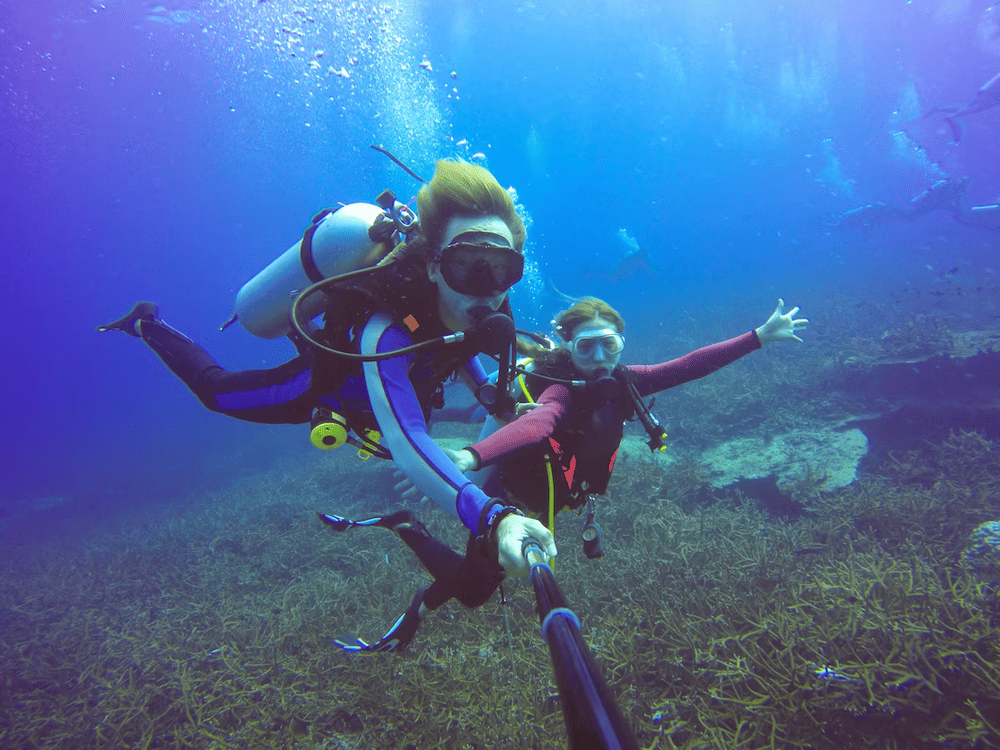
Snorkelling at Bai Dua beach, you will come across shoals of little fish swimming happily in the crystal-clear water (Source: Freepik) -
Bãi Dứa (Pineapple Beach): Tucked into a steep rocky recess along the corniche road leading to Mount Nhỏ, this small, secluded cove, also known as Rừng Hương beach, appeals to travellers seeking peace and coolness. Sheltered from the prevailing winds by high stone headlands jutting into the sea, it offers small natural pools and protected swimming spots, away from the bustle of the city’s big beaches. It is reached by stone steps leading down from the road above, ensuring an intimate, quiet atmosphere. The waves break gently on dark reefs, creating a poetic setting sought after by those who wish to read, relax in the shade of the trees or gaze at the silhouettes of the Buddhist temples perched on the cliff.
-
Bãi Dâu (Mulberry Beach): Set at the foot of the coastal Mount Lớn, on the western section of Trần Phú Street, this winding stretch of coast is known for its peaceful atmosphere, lush vegetation and rows of curiously shaped rocks. Less visited by mass tourism because of its wild layout and the pebbles beneath the water, it is an ideal refuge for watching the daily life of local fishermen, who moor their round basket boats (thuyền thúng) here. The beach is also home to important religious sanctuaries, including the monumental statue of the Virgin Mary overlooking the gulf. It is an excellent stop for enjoying a highly authentic seascape, especially striking when the high tide reaches the foot of the rocks and the surf echoes against the cliff.
Temperatures and monsoon cycles: choosing the right season
The climate of the Vũng Tàu peninsula is tropical monsoon, with remarkably stable temperatures averaging around 27°C all year round, making a stay pleasant at any time. The year is nonetheless divided into two distinct cycles worth bearing in mind when planning excursions.
November to April is the dry season, with constant sunshine, low humidity and regular trade winds that cool the coastal air. The months around the Lunar New Year (Tết) are particularly sought after, as the sea is crystal-clear and they coincide with the spectacular blossoming of wild cherry trees on the slopes of the Nước Ngọt pass and the surrounding hills.
Conversely, from May to October the rainy season sets in, with winds from the south-west. Rainfall is generally intermittent, coming as storms or heavy showers in the late afternoon, which leaves plenty of morning sunshine for enjoying the shore, although keeping an eye on weather bulletins is advisable to avoid tropical cyclones.
A singular coastal balance at the gates of the southern metropolis
The Vũng Tàu coastline stands out above all for its unique ability to reconcile the demands of a leading modern seaside resort with the preservation of natural breathing spaces and traditional maritime neighbourhoods. From the bustling straight boulevards of Bãi Sau to the shady rocky refuges of Bãi Dứa, each stretch of coast tells a different side of this headland firmly anchored in its ocean identity. This wide variety of atmospheres, combined with its strategic proximity to the major cities of the Mekong Delta, makes the city a well-balanced stop, able to meet the wishes of families seeking relaxation, the needs of business travellers and the expectations of travellers interested in coastal geography, colonial history and authentic seafood.
Last checked Suggest a correction
Sources


